Why does mold keep coming back in Louisiana schools? Learn how moisture, HVAC systems, leaks, and building conditions can cause recurring mold problems.
Learn how hospitals can investigate indoor air quality concerns, identify the source, and address mold, moisture, odors, and HVAC issues with minimal disruption to patient care.
Learn what Louisiana school districts should evaluate for asbestos, mold, moisture, lead paint and indoor air quality before renovating older schools.
Learn why mold keeps coming back in commercial buildings and how moisture, HVAC, leaks, and building conditions can contribute to recurring problems.
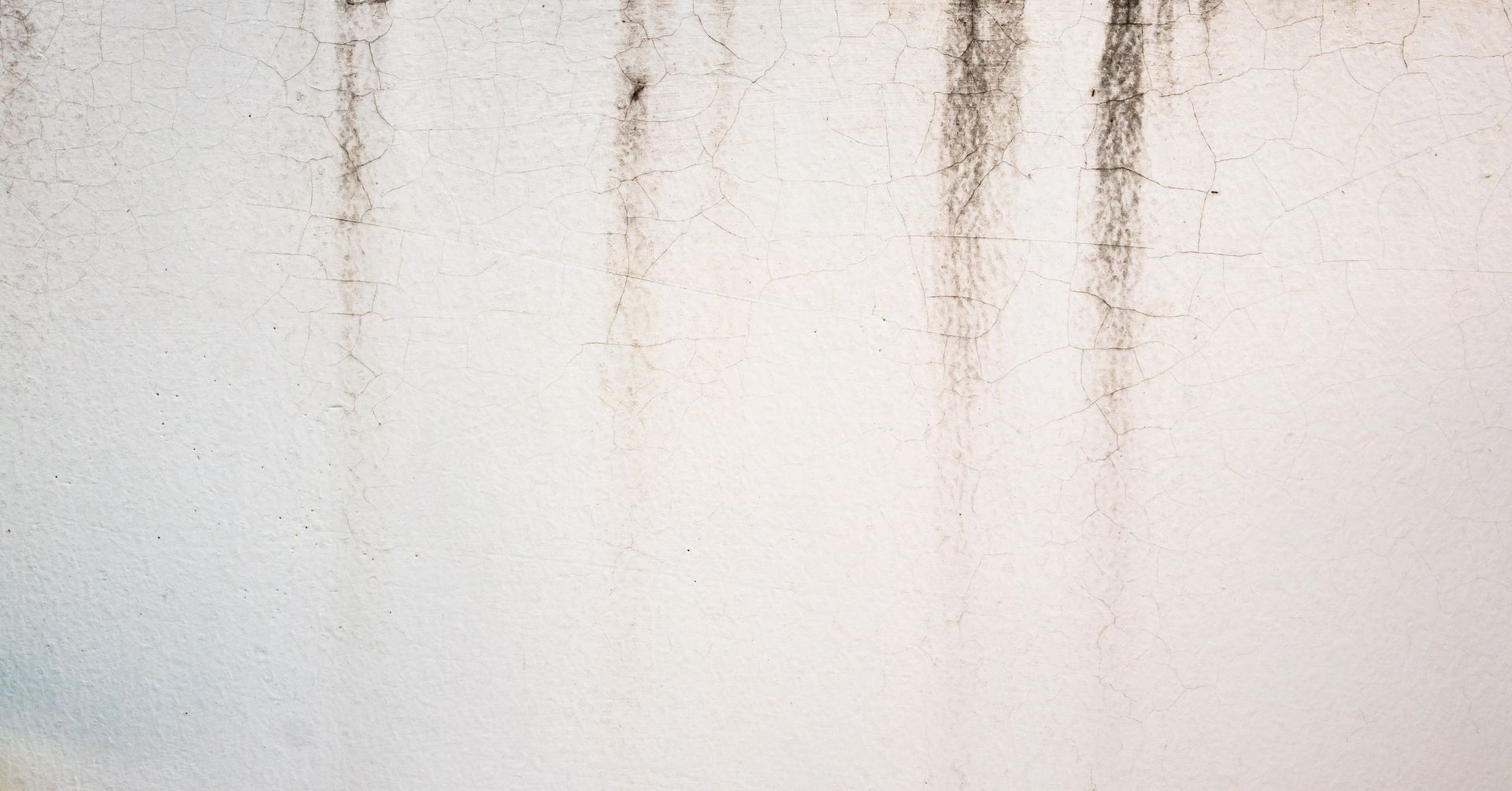
Why do stucco repairs sometimes fail to stop leaks? See how water can enter a commercial wall and what to evaluate before approving another repair.
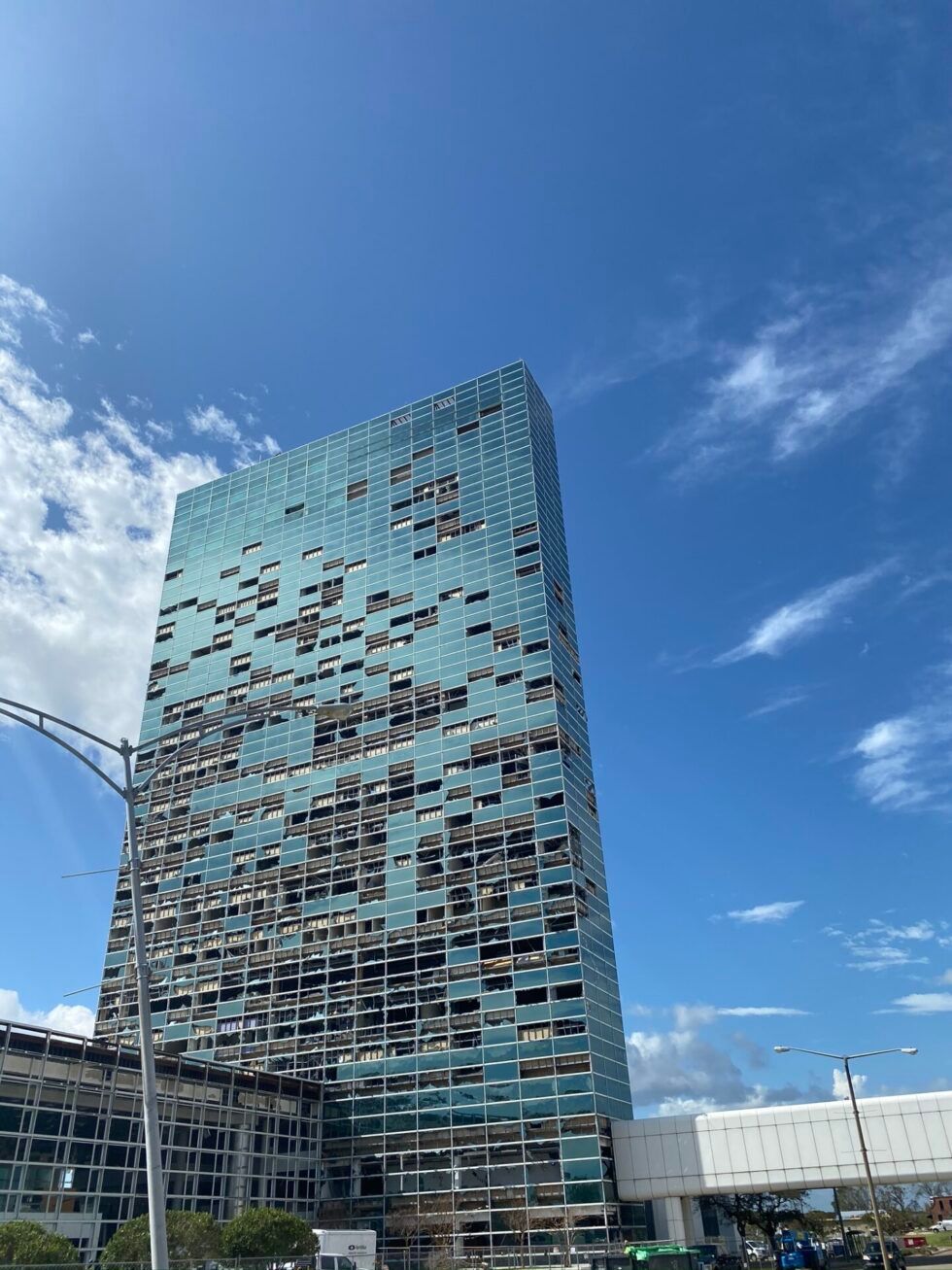
If you’re like me and not in the path of Hurricane Laura, you’ve spent a good bit of time watching Hurricane Laura news coverage. So far it looks like the surge wasn’t nearly as bad as predicted, but Hurricane Laura caused a tremendous amount of damage to Cameron and Calcasieu parishes and the surrounding areas. It’s also too soon to tell how much damage Hurricane Laura will cause as the storm moves inland and dissipates. What’s certain though, is Hurricane Laura will leave a considerable amount of water damage, resulting in water damage restoration and mold remediation. Hurricane Laura environmental cleanup is going to be a huge undertaking and will cause disturbance of asbestos, lead, PCB, and mercury. Proper removal and disposal of those materials is super important. Typically, storm coverage emphasizes water damage and mold remediation. Water damage restoration and mold remediation after Hurricane Laura will be the most obvious cleanup and restoration tasks. But everyone involved with Hurricane Laura environmental cleanup has to consider the other environmental hazards they could encounter. Hurricane Laura environmental cleanup will take time. Response work, particularly environmental cleanup, must balance speediness and caution. This is particularly important since we’ll want to get out right away and assess damage as soon as Hurricane Laura clears out. I know everyone wants to get in and get everything cleaned up and put back together. When we went through Hurricane Gustav (and other storms over the years), I was the same way. But sometimes hasty cleanup efforts can make more of a mess if we don’t slow down and assess all the potential environmental hazards in the work area. We may also put ourselves, co-workers, friends, and family at risk if we unknowingly create an environmental problem. Your safety is the most important consideration. Whether it’s water in the roadways, downed power lines, unstable structures, or contaminated water, make sure it’s safe to move around before you try to get in and assess the damage and environmental hazards. And when the storm is over, we often see hot temperatures return. Dehydration, heat exhaustion, and heat stroke are common problems people face. You’re stressed out and exhausted, and now you’re working in the heat, trying to put your home or business back together. Take care of yourself, then worry about contents – it’s worth repeating that you can always replace buildings and contents, but not people. You can replace buildings and contents, but not people. I won’t get too far into avoiding mold and mold remediation, other than to stress that you need to get the building clean and dry. Maybe Hurricane Laura is the only cause of the mold. Or maybe there’s an ongoing moisture problem that existed before the storm, and now the recovery work has led to discovery of other moisture problems. Find the cause, get the building dried out, cleaned up, and keep the mold from coming back. One other quick reminder on water damage restoration and mold remediation: there is no such thing as a Mold Free Certificate . There’s no requirement to get your home or building certified as “mold free” to make sure you can sell or rent a home or building. Anyone trying to sell you a mold free certificate is trying to scam you. Period.