


What if The Emperor Built the Second Death Star Using Building Commissioning?
Chris White • April 20, 2026
The Star Wars: The Force Awakens trailer gives me another chance to write a blog post about Star Wars and Building Commissioning!
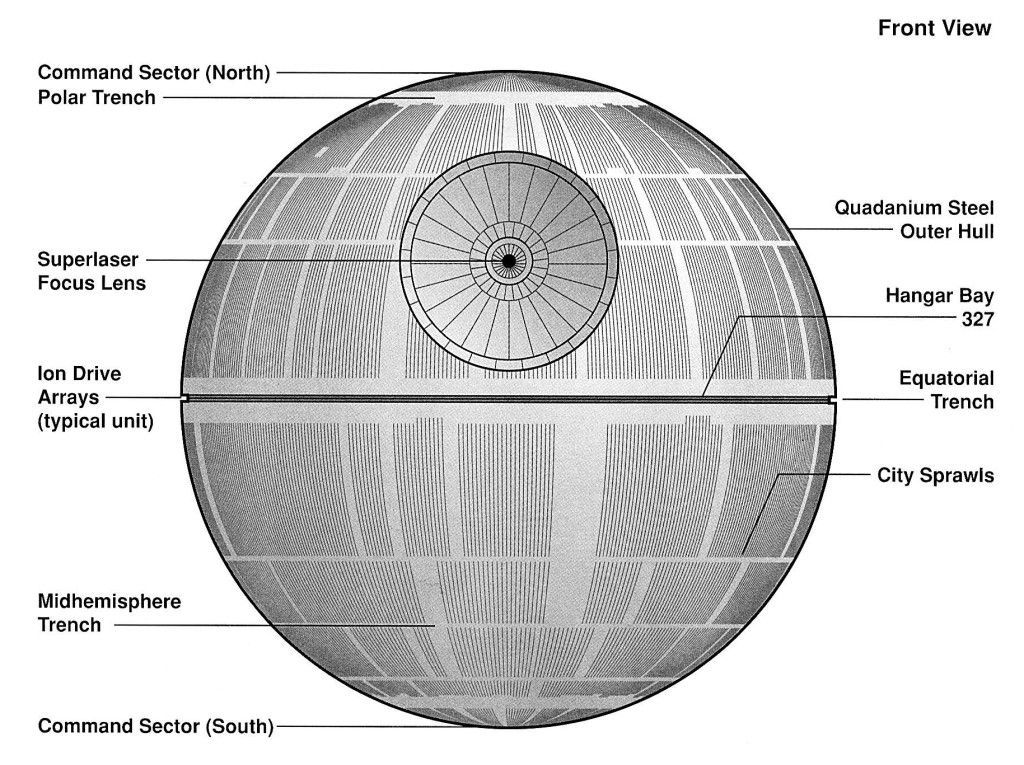
The first trailer for the upcoming Star Wars movie has me really fired up. Star Wars Episode IV is far and away my favorite all time movie. So I’m really excited for the new movie release, but good grief we have to wait until December 2015! The new trailer got me thinking about my previous blog post on Star Wars, the Death Star, and Building Commissioning.
My thoughts eventually took me to Episode VI, where Luke Skywalker and his friends once again face long odds. At the start of the movie, Luke Skywalker is supposedly a Jedi Knight (although we don’t really see him do anything cool), Han Solo is frozen in carbonite (since he was in carbonite, does that mean there’s an online backup of Han Solo somewhere?), and everyone else is hanging around Jabba the Hutt’s house. Since this is a family blog, we’ll skip discussion of Princess Leia’s garb during the start of the movie, arguably the only positive at that point.
On the other side – the Emperor and Darth Vader. The Emperor is nearly all powerful in the Force – I mean, the guy can shoot lightning out of his fingertips, and even Darth Vader is scared of him. And there’s Darth Vader, with the whole breathing thing, outfit, and deep voice. So we’re really supposed to believe the good guys are going to win against these two, plus all the stromtroopers and cool stuff the bad guys have?
The Emperor is building a new Death Star! Impossibly, the old guy is repeating his mistake from Episode IV – they design the thing with a vulnerability. The original Death Star design team probably got whacked at the end of Episode IV when the original Death Star blew up. So the new team of architects and engineers probably weren’t too worried about successful design and construction since the old guy was used to catastrophic building failure. And it turns out, the Emperor wasn’t doing so great – check out those wrinkles. He’s really worried about Luke Skywalker. So the bad guys have some issues too.
But the Emperor’s design team learned a lesson – they’ll use a shield to protect the new Death Star! The shield generator is in a secret location guarded by zillions of Imperial soldiers. Seems like a sound plan. Think of this shield as spray applied sealant or face sealed system as the only means to protect a building against water (situations where there’s no cladding drainage plane). Not a good idea in the movie, and not a good idea in real life. But that’s another discussion for a different day.

So, Luke and his cohorts set out to destroy the shield generator while the Rebel fleet gets ready to attack the new Death Star. However, a bunch of cute little teddy bears manage to capture Luke & friends and derail the plan. And Luke can’t Jedi mind trick them, flick them away with his hands, or anything else. You have to wonder what Yoda really taught Luke. It’s not looking good.
But Luke & friends make nice with the little guys and then proceed to attack the shield generator, only to face capture. Luke willingly turns himself in, thinking he’s going to change his Dad’s mind (see reference above to fear of guy who shoots lightning from fingers) and defeat the Emperor.
The Rebel fleet shows up, and discovers that “It’s a trap!!!”. Really? That’s it? I mean, why not head off into hyperspace and live to fight another day? Instead, the Rebel fleet sits there and gets decimated. You didn’t have to be James T. Kirk to realize, “hey, we better get outta range!”.
But the little woodland creatures save the day, the shield generator gets blown up, the Rebels attack, Luke Skywalker gets mad at Darth Vader and almost whacks him, and the Emperor, despite all his powers, gets thrown down a shaft WHILE STILL SHOOTING LIGHTNING OUT OF HIS FINGERS! And the Rebels blow up the Death Star.
The Emperor Should Have Chosen Building Commissioning!
I mean, the Emperor really could’ve used a Commissioning Agent – not once, but twice. Think of how the fate of the galaxy may have changed. Building Commissioning, applied to the first Death Star, and definitely the second, could’ve saved the old guy some headache. At the very least, the Commissioning Agent would’ve suggested putting a shield around the shield generator, thereby protecting the shield that really mattered. Although I bet a behind the scenes look would reveal the backup shield and generator was “value engineered” out of the job. Just go with me on this.

So if you’re a building owner, architect or engineer, contractor, or facility manager who’s faced repeated building system failures, consider building commissioning, and you may not get the shaft like the Emperor eventually did (sorry, just had to do it).

Engaging a commissioning agent doesn’t guarantee project success, but building commissioning sure can help.
There are many reasons to consider Building Commissioning. Done successfully, Building Commissioning helps:
- >Define the Owner’s Project Requirements (OPR), so everyone involved in the project understands what the Owner considers important for project success (what a concept, right?).
- >The Design Team understand the OPR and effectively communicate the design and operational requirements to the Contractor.
- >Contractors understand the testing, measurement, and verification (along with training, warranty, etc.) requirements.
- >Make sure there’s a smooth transition from the Contractor to the Owner’s operations personnel.
- >Ensure success doesn’t just exist on paper–it provides real, measurable data that verifies successful project completion and performance.
- >Reduce the overall cost for operating and maintaining a building.
Who does Building Commissioning?
You don’t have to be a Jedi Knight or Sith Lord to engage a building commissioning professional. We don’t use The Force. But it sure would be cool if we did!
Typically, the Owner engages an independent third party to facilitate commissioning. This person acts as the Owner’s representative in preparing building commissioning plans, communicating with Design Team members and Contractors, reviewing design documents, evaluating test results and reports, and training of Owner’s personnel in O&M procedures. This person checks as appropriate to make sure the commissioning plan is being executed, and in the end, prepares a report outlining results.
Not as exciting as using The Force, but this stuff is pretty important.
The Commissioning Agent (sometimes called the Commissioning Authority or Commissioning Professional) should have appropriate background and credentials in Building Commissioning. Love of Star Wars movies is recommended but not required.
May The Force be with you. Contact me for a free tip sheet on how to perform building commissioning without blowing up the Death Star. Or I can help you blow up the Death Star – did I mention we also provide demolition consulting services?
Chris White, P.E., LEED AP, CBCP has been helping clients solve problems for 20 years. He is the most interesting engineer in the world, and is a LEED Accredited Professional and Certified Building Commissioning Professional (CBCP). You can follow him on Twitter @ChrisWhitePE.
Recent Posts

By Chris White
•
July 17, 2026
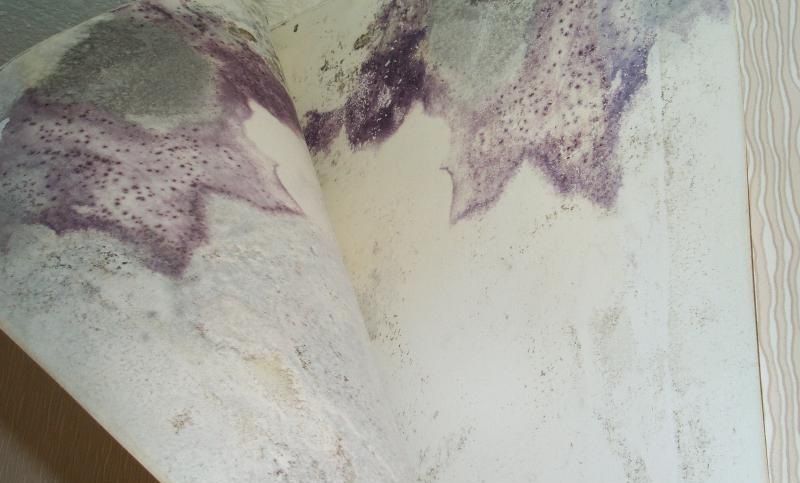
Imagine you’re sitting in your office when you notice a drip-drip-drip. You get the trash can out and put it under the leak-problem solved! Or is it? Does that water touch anything that supports mold growth, like the gypsum board ceiling or your ceiling tile? Do you notice odors after it rains? Do you notice dark fuzzy stuff around the leak or on your air conditioning vents? Mold might not be the end all bad stuff that some folks make it out to be. But if you or someone else notices it-it must be an aggravation at the very least-and it is causing pain of some sort, so let’s stop it, clean it up, and keep it from coming back. Just taking the time to talk about mold is hurting your productivity and there are known health affects of mold-let’s leave that topic for another day. Ten Things You Should Know About Mold: 1. Potential health effects and symptoms associated with mold exposures include allergic reactions, asthma, and other respiratory complaints. 2. There is no practical way to eliminate all mold and mold spores in the indoor environment; the way to control indoor mold growth is to control moisture. 3. If mold is a problem in your building, you must clean up the mold and eliminate sources of moisture. 4. Fix the source of the water problem or leak to prevent mold growth. 5. Reduce indoor humidity to decrease mold growth. 6. Clean and dry any damp or wet building materials and furnishings within 24-48 hours to prevent mold growth. 7. Clean mold off hard surfaces with water and detergent, and dry completely. 8. Prevent condensation. 9. In areas where there is a perpetual moisture problem, do not install carpeting. 10. Did I say stop the moisture? What to do if you have mold: 1. Stop the moisture (and keep it from coming back). 2. Clean up the mold (may require demolition). 3. Develop and implement a proactive moisture management plan. Do you need a professional engineer to design the remediation and repairs? As professional engineers, we are trained to analyze and find the cause of the problem, identify and evaluate the pros and cons of options, and offer you the solution that best fits your goals. This is the basis for design. We, as engineers, spend countless hours searching for options, learning about solutions, investigating products, and trying to understand the available technologies. We have long detailed conversations with experts on subjects like air sealing, water management, egress, health and safety, wind loads, indoor air quality, and structural loads. What to look for if you need professional help: A registered Professional Engineer who has 20 years in the industry and is experienced in solving mold related issues. Look for someone the experts call when they have a question-or when they’re too busy and they want to be sure their clients are taken care of. Someone who has a clear and well defined process that’s going to keep you informed and educated throughout the project so that you know what’s happening throughout each step and you have all the documentation to help eliminate or mitigate any future litigation you may encounter. Leave a comment or question below and I’ll send you a copy of a Proactive Moisture and Mold Management Program that you can use to help you avoid mold problems. Stay moldy, my friends. Chris White, P.E., LEED AP has been helping clients solve problems for 20 years. He is the Most Interesting Engineer in the World. You can follow him on Twitter @ChrisWhitePE .

By Chris White
•
July 14, 2026
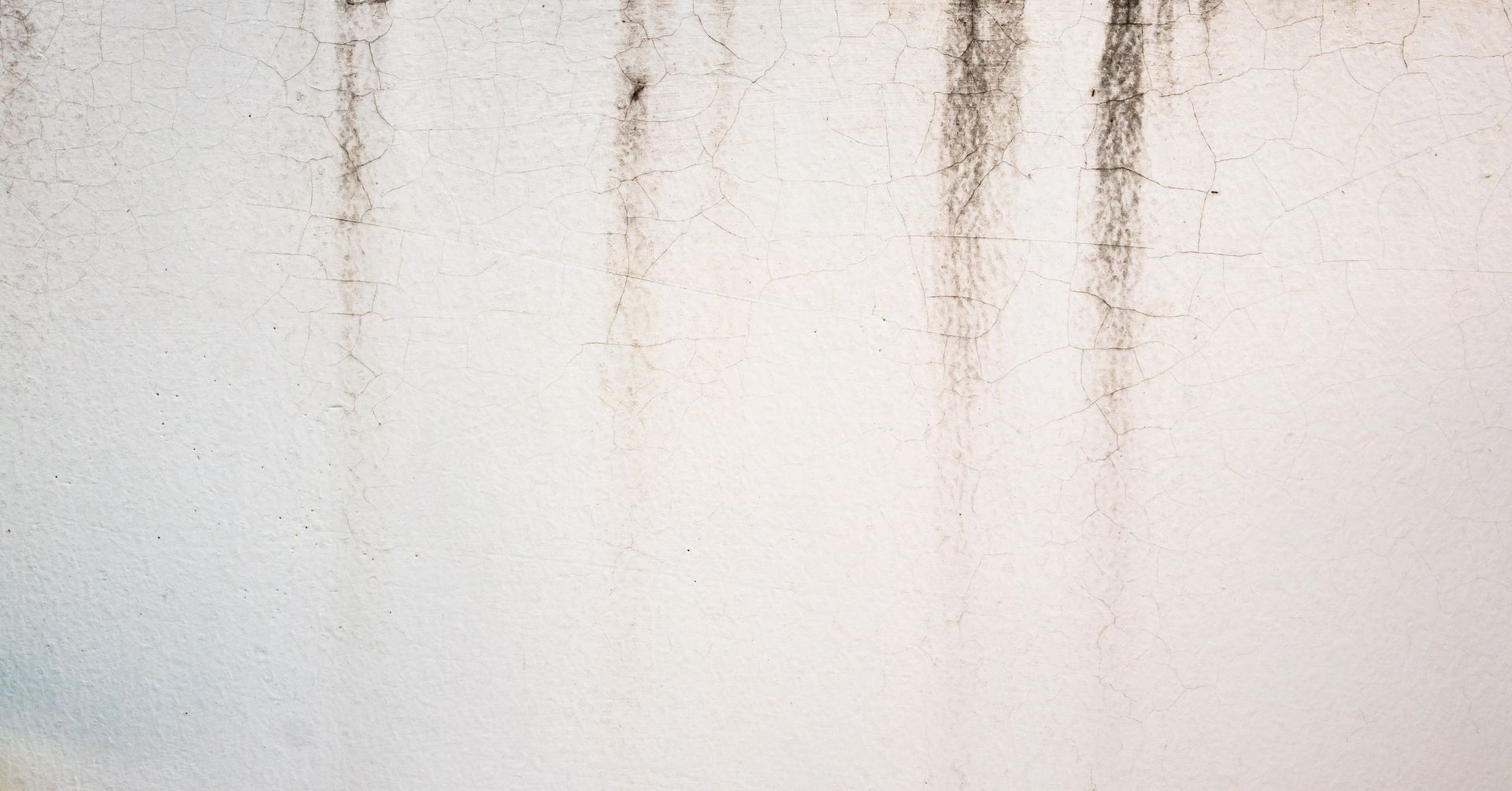
Why does stucco leak water into buildings? We get many calls about stucco and water intrusion. I have one friend (he develops buildings) who hates stucco. Why Stucco has been around for a long time. Think of the beautiful stucco structures that are over 100 years old. The stucco was used initially on full masonry walls. It helps shed water and in some cases provided a sacrificial protective service. Really good stuff. So why is it a problem now Well, today it’s used it on materials different from masonry. We put it on steel or wood framing. That’s different but not necessarily the kiss of death. Sometimes what looks like stucco is synthetic stucco or nontraditional stucco (I think of stucco being a three coat system). That’s different as well but not necessarily the kiss of death. Sometimes stucco is considered the sole protective weather barrier—not as an integral part of the cladding system, but as the only protective system. And this is almost always the kiss of death. What should I do if my stucco leaks First, find out where the water is entering the structure. Is it entering through the field of the stucco, at roof to wall connections (think of balconies as a mini-roof), or at openings (windows, doors, cable entrances, etc.)? If water is entering through the field of the stucco, you have a real problem. You’ll probably have to replace all of the stucco. If water is entering roof to wall connections or openings, you can remove the stucco in those areas, properly flash and prepare the openings, and repair the stucco. If you find structural damage because of the water intrusion, you’ll have to replace the damaged materials. What to watch for Well, you bought a stucco cladding system to begin with—how do you know you’ll get a proper system the second go around? That is the $64,000 question. You may not have picked up on it, but I have used the word system throughout the discussion above. Stucco is an important part of the cladding system and it has to be tied in with the water barrier. If you screw up the water barrier, it doesn’t matter what you use for cladding. Note, there are other parts to the cladding system. Stucco is not bad for buildings I like stucco. It is pretty, durable, and nearly maintenance free. But the entire cladding system has to be designed and built properly. If you need help reviewing or designing a cladding system or if you have questions or comments, send me an email. Also, I’d appreciate any photographs you have of failing stucco or of successful stucco repair projects.

By Chris White
•
July 14, 2026
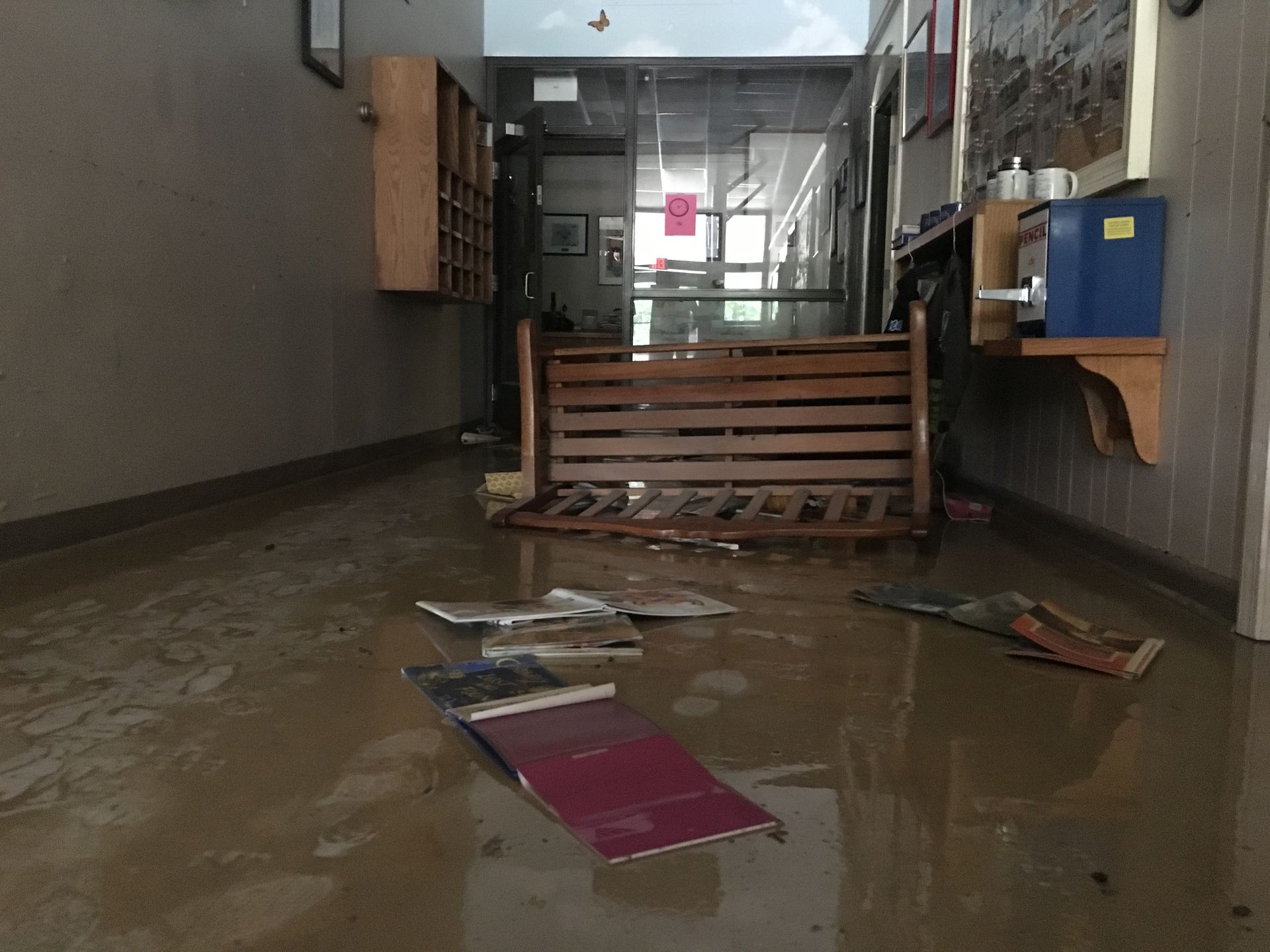
If you’re like me and not in the path of Hurricane Laura, you’ve spent a good bit of time watching Hurricane Laura news coverage. So far it looks like the surge wasn’t nearly as bad as predicted, but Hurricane Laura caused a tremendous amount of damage to Cameron and Calcasieu parishes and the surrounding areas. It’s also too soon to tell how much damage Hurricane Laura will cause as the storm moves inland and dissipates. What’s certain though, is Hurricane Laura will leave a considerable amount of water damage, resulting in water damage restoration and mold remediation. Hurricane Laura environmental cleanup is going to be a huge undertaking and will cause disturbance of asbestos, lead, PCB, and mercury. Proper removal and disposal of those materials is super important. Typically, storm coverage emphasizes water damage and mold remediation. Water damage restoration and mold remediation after Hurricane Laura will be the most obvious cleanup and restoration tasks. But everyone involved with Hurricane Laura environmental cleanup has to consider the other environmental hazards they could encounter. Hurricane Laura environmental cleanup will take time. Response work, particularly environmental cleanup, must balance speediness and caution. This is particularly important since we’ll want to get out right away and assess damage as soon as Hurricane Laura clears out. I know everyone wants to get in and get everything cleaned up and put back together. When we went through Hurricane Gustav (and other storms over the years), I was the same way. But sometimes hasty cleanup efforts can make more of a mess if we don’t slow down and assess all the potential environmental hazards in the work area. We may also put ourselves, co-workers, friends, and family at risk if we unknowingly create an environmental problem. Your safety is the most important consideration. Whether it’s water in the roadways, downed power lines, unstable structures, or contaminated water, make sure it’s safe to move around before you try to get in and assess the damage and environmental hazards. And when the storm is over, we often see hot temperatures return. Dehydration, heat exhaustion, and heat stroke are common problems people face. You’re stressed out and exhausted, and now you’re working in the heat, trying to put your home or business back together. Take care of yourself, then worry about contents – it’s worth repeating that you can always replace buildings and contents, but not people. You can replace buildings and contents, but not people. I won’t get too far into avoiding mold and mold remediation, other than to stress that you need to get the building clean and dry. Maybe Hurricane Laura is the only cause of the mold. Or maybe there’s an ongoing moisture problem that existed before the storm, and now the recovery work has led to discovery of other moisture problems. Find the cause, get the building dried out, cleaned up, and keep the mold from coming back. One other quick reminder on water damage restoration and mold remediation: there is no such thing as a Mold Free Certificate . There’s no requirement to get your home or building certified as “mold free” to make sure you can sell or rent a home or building. Anyone trying to sell you a mold free certificate is trying to scam you. Period.