CASE STUDY
Environmental Engineering for School Disaster Recovery in Lousiana
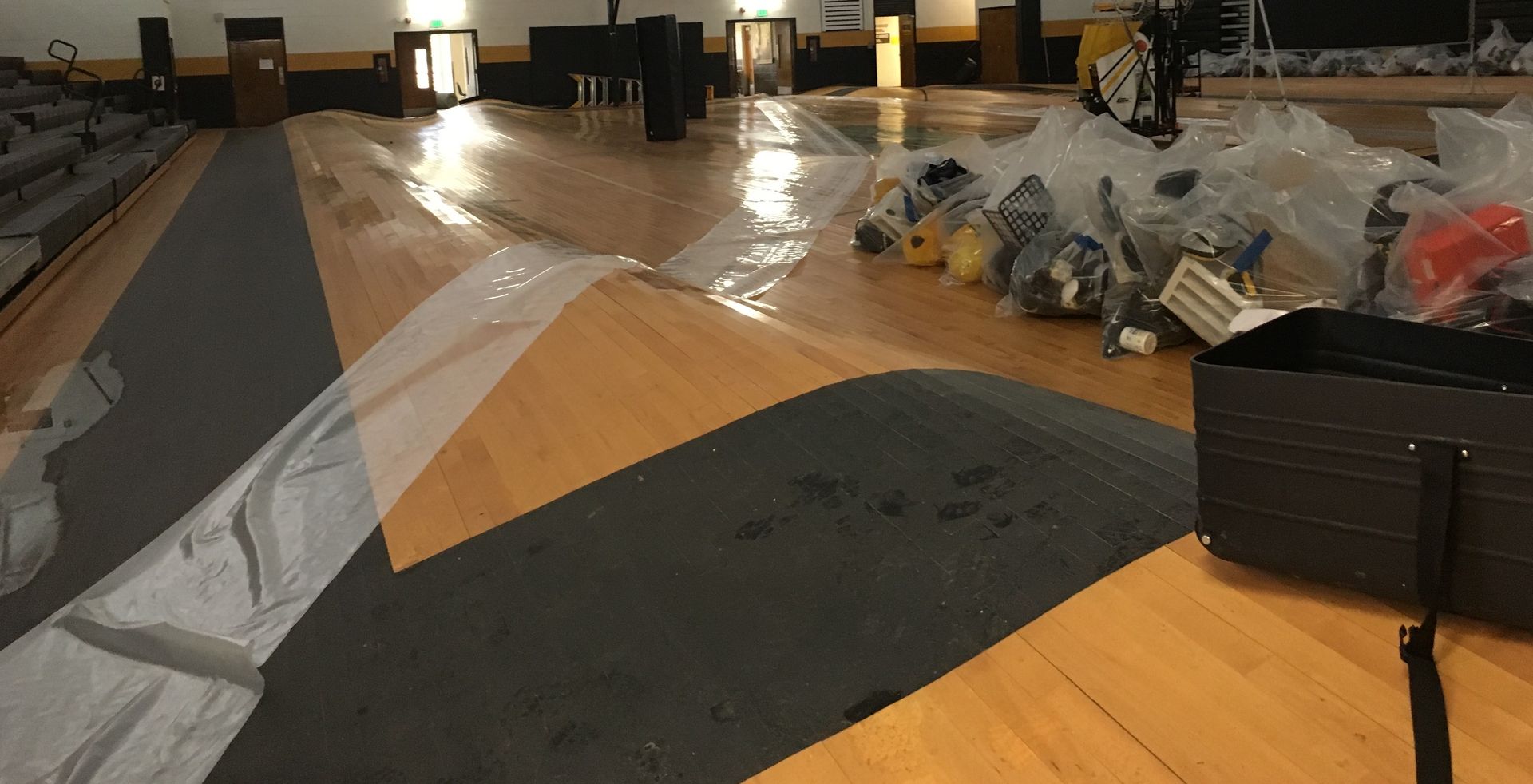
How Ascension Parish Schools Responded After the 2016 Louisiana Flood
The Challenge
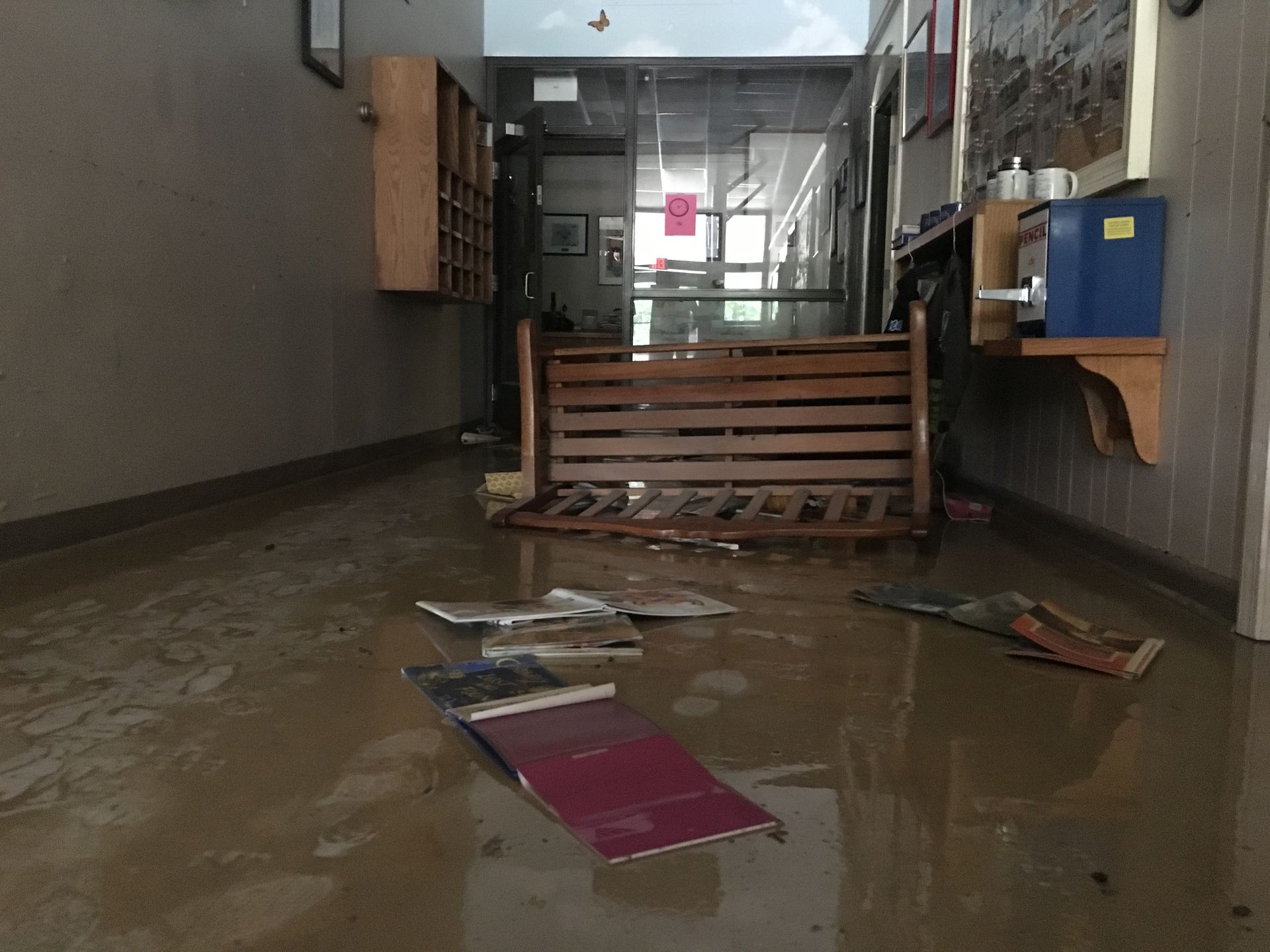
The 2016 Louisiana flood displaced approximately 6,000 students and damaged multiple campuses, requiring extensive repairs. The district had to relocate students, address asbestos and mold conditions during renovation, respond to indoor air quality concerns, and continue operating schools throughout a recovery expected to last more than a year.
Environmental Services Provided:
- Storm and disaster recovery consulting
- Asbestos consulting and abatement design
- Mold & Moisture Consulting
- Environmental design documents and bid support
- Site visits to observe remediation activities
- Asbestos air monitoring and clearance sampling
- Mold post-remediation verification assessments
- Indoor air quality consulting
- Technical guidance for district leadership and public communication
The Outcome:
The district repaired and restored damaged facilities while continuing to serve students. The work also established a long-term relationship between Ascension Parish Public Schools and Wynn L. White Consulting Engineers.
What Environmental Engineering Support Do Schools Need After a Major Flood?
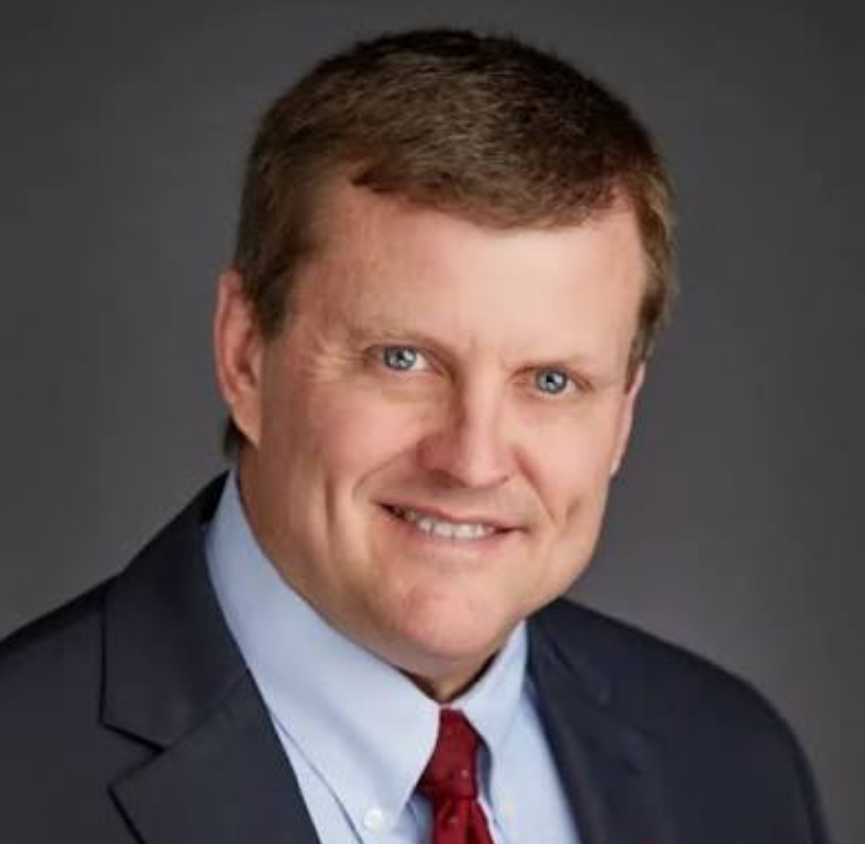
When David Alexander became superintendent of Ascension Parish Public Schools in August 2016, he stepped into a difficult situation for any school leader.
The 2016 Louisiana flood damaged campuses across the parish, displaced approximately 6,000 students, and forced several schools out of their buildings. Some campuses shared classroom space. Other students temporarily relocated to a nearby community college. What first appeared to be a short-term interruption quickly became a recovery effort expected to last 12 to 18 months.
The district could not pause education while damaged buildings were repaired. Students still needed classrooms. Employees needed places to work. Families wanted answers, and the school board needed clear information before the full extent of the damage was known. That meant David needed more than reports. He needed experienced environmental engineers who could help the district understand changing building conditions, explain technical findings in practical terms, and identify reasonable next steps as recovery progressed.
That became Wynn L. White Consulting Engineers’ role.
As damaged campuses moved into renovation and repair, nearly every project required some level of environmental review. The team evaluated whether planned construction could disturb asbestos-containing materials and considered where mold remediation might be needed.
When remediation was required, Wynn White prepared design documents, assisted the district with bidding, conducted site visits to monitor work progress, and reviewed activities for general conformance with the design intent.
The firm’s involvement also included asbestos air monitoring and clearance sampling, as well as post-remediation verification assessments for mold-related work. These services addressed several of the environmental issues Louisiana schools may need to evaluate before renovation or recovery work begins. Together, these services became part of a broader school environmental consulting effort that supported the district across multiple campuses, rather than addressing only a single isolated concern.
Just as important, the team helped district leaders understand what the findings meant. That gave David clearer information for conversations with employees, families, board members, and the public.
David had known Wynn White before becoming superintendent, but the flood recovery showed him what the relationship could look like during a crisis.
“Wynn and his crew quickly jumped in to help,” David recalled. “They showed up with advice, guidance, and true partnership. You can get professional services anywhere. You can’t get this level of dedicated client commitment just anywhere.”
For David, the value extended beyond testing, documentation, or technical recommendations. It came from having an environmental consulting team that stayed engaged
Wynn and his crew quickly jumped in to help,” David recalled. “They showed up with advice, guidance, and true partnership. You can get professional services anywhere. You can’t get this level of dedicated client commitment just anywhere.
How Do Schools Safely Restore Buildings After Flood Damage?
Flood recovery doesn't end when the water recedes. Before contractors can begin repairing classrooms, offices, and support buildings, school districts need to understand whether environmental hazards could be affected during construction.
For Ascension Parish Public Schools, the recovery involved far more than repairing damaged facilities. Nearly every renovation project required an environmental evaluation to determine whether asbestos-containing materials would be disturbed or whether mold remediation would be necessary before repairs could move forward.
Wynn L. White Consulting Engineers became an integral part of that process.
Working alongside the district, the team evaluated buildings scheduled for repair, developed remediation design documents when environmental hazards were identified, and assisted the district during the bidding process to ensure contractors understood the environmental requirements before work began.
As remediation activities progressed, the firm's involvement continued through site visits to observe the work, asbestos air monitoring, clearance sampling, and post-remediation verification assessments for mold-related projects. These services helped district leaders understand the environmental status of each building as restoration moved forward and provided the information needed to make informed decisions about returning facilities to service.
This level of involvement extended across virtually every major repair project undertaken during the district's flood recovery, creating consistency throughout a complex, multi-campus restoration effort.
For David, that continuity mattered. The district wasn't hiring different consultants for isolated problems. It had one environmental partner that understood the broader recovery effort and could provide guidance as new challenges emerged.
"What was important to us was important to them," David said. "They approached us immediately as trusted partners. There was a lot of empathy in their approach because they knew what we were going through."
Recovering from a natural disaster requires technical expertise, but it also requires professionals who understand the operational challenges school leaders face every day. That combination helped the district move forward with confidence while keeping its focus on students and staff.
How Should School Districts Respond to Indoor Air Quality Concerns?
Even as long-term repairs were underway, another issue quickly demanded the district's attention. To keep students learning while damaged schools were restored, Ascension Parish Public Schools installed temporary portable classrooms, restrooms, libraries, kitchens, and cafeterias near existing campuses. The buildings allowed students to remain close to their schools while permanent repairs continued.
As temperatures climbed during the Louisiana summer, employees began reporting an unusual odor inside several portable classrooms. Rumors spread quickly. Some believed the odor was caused by formaldehyde or another hazardous chemical. Questions from employees were soon followed by concerns from parents, media inquiries, and growing public attention.
For any superintendent, situations like this create a difficult balance to strike. Every concern deserves to be taken seriously, but decisions also need to be based on reliable information rather than speculation.
"I would never put 24,000 kids and 3,300 adults at risk for any reason at all," David said. "But I don't close schools down irresponsibly and carelessly either."
Wynn L. White Consulting Engineers conducted comprehensive indoor air quality consulting services throughout the portable classrooms to better understand the source of the odor. The testing did not identify the hazardous conditions many feared. Instead, the investigation indicated that the materials used in manufacturing the portable buildings had not fully cured before the units were placed into service. As the buildings heated in the summer sun, those curing materials produced an odor that occupants understandably noticed.
Rather than ending their involvement after delivering the test results, Wynn L. White Consulting Engineers worked directly with the portable building manufacturer to discuss practical approaches to reducing odor and to help district leadership understand the findings.
"They stood in front of us, beside us, and behind us as the experts," David said. "They helped us explain the information to the public and the media, but they also recognized there was an uncomfortable odor that needed to be addressed."
The experience demonstrated an important lesson. Technical testing may identify the source of a concern, but solving the problem often requires collaboration, communication, and practical next steps that extend beyond the laboratory.
Why Is Clear Communication Important During a School Environmental Concern?
Environmental testing can answer technical questions. However, school leaders still have to explain those answers to employees, parents, board members, the media, and the community.
David believes this is where Wynn L. White Consulting Engineers made one of its most important contributions. The team did not simply provide reports. They explained the findings, answered questions, and helped district leaders understand what the information meant.
“They’re willing to stand with us and say, ‘Let me explain this test,’” David said. “They can go in front of the school board. The media can be there. The public can be there. They can explain what the report means.”
One statement stayed with him: “They taught me how to speak this.” David was not referring only to technical terminology. The team helped him understand the findings well enough to ask informed questions and communicate clearly with others. That same approach shapes the environmental training programs offered by Wynn L. White Consulting Engineers. These programs cover asbestos, lead, mold, and related building concerns.
For David, the willingness to teach separated the firm from consultants who provide technical information without helping clients understand how to use it.
How Does Environmental Training Help School and Facility Teams?
Environmental concerns can become more disruptive when facility teams do not know what they are seeing, what questions to ask, or when to involve an environmental consultant.
Training gives school administrators, facility personnel, contractors, and project teams a practical foundation. It helps them recognize potential concerns, understand how environmental conditions may affect a project, and communicate more effectively with technical professionals.
The goal is not to turn school personnel into environmental consultants. It is to help them recognize when a condition deserves attention and participate more confidently in decisions affecting their facilities.
That approach reflects what David valued throughout the flood recovery. Wynn L. White Consulting Engineers shared its knowledge rather than keeping technical information at a distance.
What Has Wynn L. White Consulting Engineers Published About Mold and Lead Hazards?
The same teaching approach David experienced during the district's recovery continues to be reflected in the firm's educational resources. Wynn L. White and Chris White have written two practical guides for facility leaders.
The Mold Prevention Guide helps building owners, facility managers, and construction professionals understand how moisture conditions can contribute to mold and how decisions during design, construction, maintenance, and response may affect a building.
Lead Learning Hazard addresses lead-related concerns in paint, water, and soil. It also offers practical guidance for evaluating conditions, considering next steps, and communicating with employees, families, and the public.
These resources reflect the same philosophy David experienced during the district’s recovery. Technical knowledge becomes more useful when people understand how it applies to real decisions.
What Should School Districts Look for in an Environmental Consulting Partner?
Technical qualifications matter, but they are only part of the decision. School leaders also need consultants who respond when questions arise, explain their reasoning, and remain engaged as conditions change. Environmental concerns rarely follow a predictable schedule, especially during a multi-campus recovery or renovation program.
David had worked with firms that produced sound technical work but were difficult to reach. He had also worked with people who were easy to work with but lacked the experience the district needed.
With Wynn L. White Consulting Engineers, he found both.
“They build trust, and they get results,” David said. “You just can’t ask for any more than that.”
He also valued the team’s willingness to teach.
“They’re not just good at what they do. They’re good at teaching,” he said. “They continue to learn, and as they learn new things, they’re willing to teach you too. That’s investing in the customer.”
As an educator, David appreciated professionals who explained not only what they recommended, but why.
Whether the work involves asbestos consulting, mold and moisture consulting, or other environmental concerns, Wynn L. White Consulting Engineers helps clients understand the conditions, the available information, and the options they may consider.
How Did Wynn L. White Consulting Engineers Continue Supporting the School District After the Flood?
The portable classroom concern was one part of a much larger recovery effort. Wynn L. White Consulting Engineers supported nearly every district facility that underwent repair or renovation after the flood. The team evaluated whether planned construction could disturb asbestos-containing materials, considered where mold remediation was needed, prepared design documents, and assisted the district during bidding.
During remediation, the team made site visits to observe progress, performed asbestos air monitoring and clearance sampling, and completed post-remediation assessments for mold-related work.
This gave the district a consistent environmental resource across many projects. The team already understood the buildings, the broader recovery effort, and the operational pressures facing district leadership.
The relationship continued after the major flood projects were complete. David remained comfortable contacting Wynn L. White Consulting Engineers when questions arose about mold, moisture, indoor air quality, or other building conditions.
What Was the Outcome of the Ascension Parish School Flood Recovery?
Ascension Parish Public Schools continued educating students while damaged facilities moved through repair, remediation, and renovation. The district addressed asbestos and mold conditions across multiple campuses, responded to a visible indoor air quality concern involving temporary classrooms, and communicated with employees, families, board members, and the public throughout the recovery.
Wynn L. White Consulting Engineers combined technical consulting with education. The team helped district leaders understand the findings, consider practical next steps, and explain complex information more clearly.
That approach became the foundation of a professional relationship that continued beyond the 2016 flood.
Need Environmental Consulting Support for Your School Facilities?
Environmental concerns can disrupt classes, delay renovations, strain budgets, and raise difficult questions for school leaders.
Wynn L. White Consulting Engineers helps districts understand building conditions, consider practical next steps, and communicate technical information more clearly. Learn more about
environmental consulting services for schools, or
speak with the team about the concerns affecting your facilities.
Wynn L. White Consulting Engineers proved their value through what they could do for us, but we continued working with them because of who they are. You hire people for their expertise, but you keep them because of their character. The relationship was never simply transactional.
At A Glance
Client:
Ascension School Parish
Location:
Ascension Parish, Louisiana
Services Provided:
Disaster recovery planning, asbestos and mold consulting, remediation design and oversight, air monitoring, indoor air quality assessments, and technical guidance for district leadership and public communication.
Outcome:
Facilities were restored while schools remained operational.