Environmental Issues in Louisiana Schools: What to Evaluate Before Renovation

Chris White • August 2, 2026

Share this article

Older Louisiana school buildings face conditions shaped by age, repeated renovations, intense summer heat, high humidity, heavy rainfall, and exposure to tropical storms. Moisture can enter through roofs, walls, windows, plumbing systems, and mechanical equipment, then remain concealed inside building materials.


Renovation work may uncover asbestos-containing materials, lead-based paint, mold growth, moisture damage, or indoor air quality concerns that were not apparent during early planning. Evaluating these conditions before demolition begins gives school districts clearer information for design, bidding, scheduling, and communication.


A school renovation environmental assessment can help district leaders and project teams understand how Louisiana’s climate and a building’s history may affect the planned work. An assessment cannot remove every unknown, but earlier information can reduce uncertainty and provide a clearer basis for planning.


Wynn L. White Consulting Engineers works alongside Louisiana school districts to evaluate existing conditions, explain technical findings, and support informed decisions throughout renovation and recovery projects.

Louisiana School Environmental Engineer Case Study

Why Should Louisiana School Districts Evaluate Environmental Conditions Before Renovation?

Louisiana school districts should evaluate environmental conditions before renovation because construction can disturb concealed materials and reveal moisture-related problems that developed over years of heat, humidity, rainfall, and storm exposure. Early evaluation gives the project team more time to consider how identified conditions may affect the work.

New construction begins with new materials and recently documented systems. Renovation begins with an existing building that may have been modified repeatedly, exposed to roof leaks or wind-driven rain, and operated through decades of long cooling seasons.


Environmental concerns discovered after demolition begins can affect:

  • Construction sequencing
  • Contractor pricing and bidding
  • Remediation planning
  • Continued use of occupied areas
  • Communication with employees and families


When environmental concerns are identified during planning, the project team can consider those conditions in design documents, bidding information, and the proposed construction schedule. The purpose is not to eliminate every possible unknown. The purpose is to give the school district better information about a building that has operated under Louisiana conditions for many years.


What Environmental Issues Are Common in Older Louisiana School Buildings?

Common environmental issues in older Louisiana schools include asbestos-containing materials, mold and moisture damage, lead-based paint, and indoor air quality concerns. Louisiana’s heat, humidity, rainfall, storm exposure, and extended air-conditioning season make moisture and mechanical-system conditions especially important during renovation planning.

The planned scope of work should guide the environmental evaluation. Flooring removal, roof replacement, window replacement, mechanical upgrades, and full interior demolition can raise different questions about existing conditions.


When Should an Asbestos Survey Be Completed Before Renovating a Louisiana School?

An asbestos survey should be considered before renovation or demolition affects materials that may contain asbestos. The survey gives the project team information about sampled materials and locations that may require additional planning before construction begins.


Common asbestos-containing materials in schools:

  • Floor tile and associated mastics
  • Pipe and mechanical insulation
  • Ceiling materials
  • Roofing components
  • Wall systems and other building products


Asbestos-containing materials may remain undisturbed for years. Renovation can change that condition when materials are cut, drilled, removed, or demolished.


Wynn L. White Consulting Engineers helps school districts better understand existing conditions through building observations, surveys, bulk sampling, air monitoring, management planning, and related asbestos consulting services. When asbestos-containing materials are identified, Wynn L. White Consulting Engineers can prepare abatement design documents, provide air monitoring, and conduct site visits to observe the progress of the work. Construction-phase services may also include reviewing the work for general conformance with the design intent. An asbestos survey provides information that can help the project team plan for affected materials before demolition reaches them.


What Information Can an Asbestos Survey Provide?

An asbestos survey can document sampled materials, laboratory findings, and the locations included within the defined scope. The survey should be coordinated with the areas and materials expected to be disturbed during renovation.


Useful project information for an asbestos survey may include:

  • Existing building drawings
  • Previous asbestos reports
  • Planned demolition areas
  • Records of additions or renovations
  • Locations of concealed building systems
  • Documentation from prior storm or water-damage repairs


The findings can support decisions about abatement design, project sequencing, bidding information, and construction-phase monitoring.


What Can Complicate Asbestos Planning in an Older Louisiana School?

Previous renovations, undocumented repairs, concealed materials, and limited access can complicate asbestos planning. Emergency repairs completed after hurricanes, floods, roof failures, or other water events may also introduce layers of materials that are not fully reflected in original drawings.


An asbestos survey reflects the areas and materials included within its defined scope. The survey should not be interpreted as identifying every possible concealed condition. The project team should consider whether the construction scope may expand beyond the areas originally evaluated. Changes in demolition limits may affect whether additional evaluation is appropriate.

In Louisiana, moisture is not limited to what enters during a storm. Heat, humidity, air conditioning, and how a building has changed over time can all influence where moisture develops and how long it remains.

Wynn L. White, P.E.
Wynn L. White, P.E. President, Wynn L. White Consulting Engineers

How Do Louisiana’s Heat and Humidity Affect Mold and Moisture in Schools?


Louisiana’s hot, humid climate can allow moisture problems to develop or remain concealed inside school buildings. Roof leaks, wind-driven rain, plumbing failures, condensation, and mechanical-system conditions may contribute to mold growth and damaged building materials.


Air-conditioned buildings create significant temperature differences between hot outdoor air and cooler interior surfaces. When humid air reaches cold ductwork, wall cavities, ceiling spaces, or supply-air components, condensation may develop in areas that are difficult to see.


“In Louisiana, moisture is not limited to what enters during a storm. Heat, humidity, air-conditioning, and the way a building has changed over time can all influence where moisture develops and how long it remains.”

— Wynn L. White, P.E., President, Wynn L. White Consulting Engineers


Wynn L. White, P.E., brings decades of civil engineering and environmental project experience to evaluating difficult building conditions. His practical background informs how Wynn L. White Consulting Engineers approaches problems involving moisture, existing materials, and renovation planning.


Potential moisture sources in Louisiana schools include:

  • Roof leaks after heavy rainfall
  • Wind-driven rain around windows and wall systems
  • Plumbing failures
  • Condensation on ductwork or cold surfaces
  • Mechanical systems operating under high humidity
  • Storm, hurricane, or flood damage
  • Extended loss of power or air conditioning after a weather event


Removing visible mold without understanding the moisture source may leave the underlying problem unresolved. A mold and moisture assessment for schools can help the project team understand visible conditions, moisture patterns, mechanical factors, and other building conditions that may be contributing to the issue.


Wynn L. White Consulting Engineers may use site observations, moisture measurements, environmental sampling, and discussions with facility personnel to develop a clearer understanding of the reported concern. The assessment scope depends on the observed building conditions and the questions the school district needs to address.


What Should a Mold and Moisture Assessment Evaluate in a Louisiana School?

A mold and moisture assessment should consider both the visible condition and the weather or building factors that may be contributing to moisture. The purpose is to support informed remediation planning rather than focusing only on surface cleanup.


A mold & moisture assessment for a school may consider:

  • Locations of visible growth
  • Evidence of roof or exterior water intrusion
  • Moisture levels in building materials
  • Conditions around windows, doors, and wall systems
  • Condensation on ductwork or mechanical components
  • Mechanical-system operation
  • Areas affected by hurricanes, flooding, or extended power loss


The findings can help the environmental engineering project team consider repairs that address the observed condition and its likely moisture source.

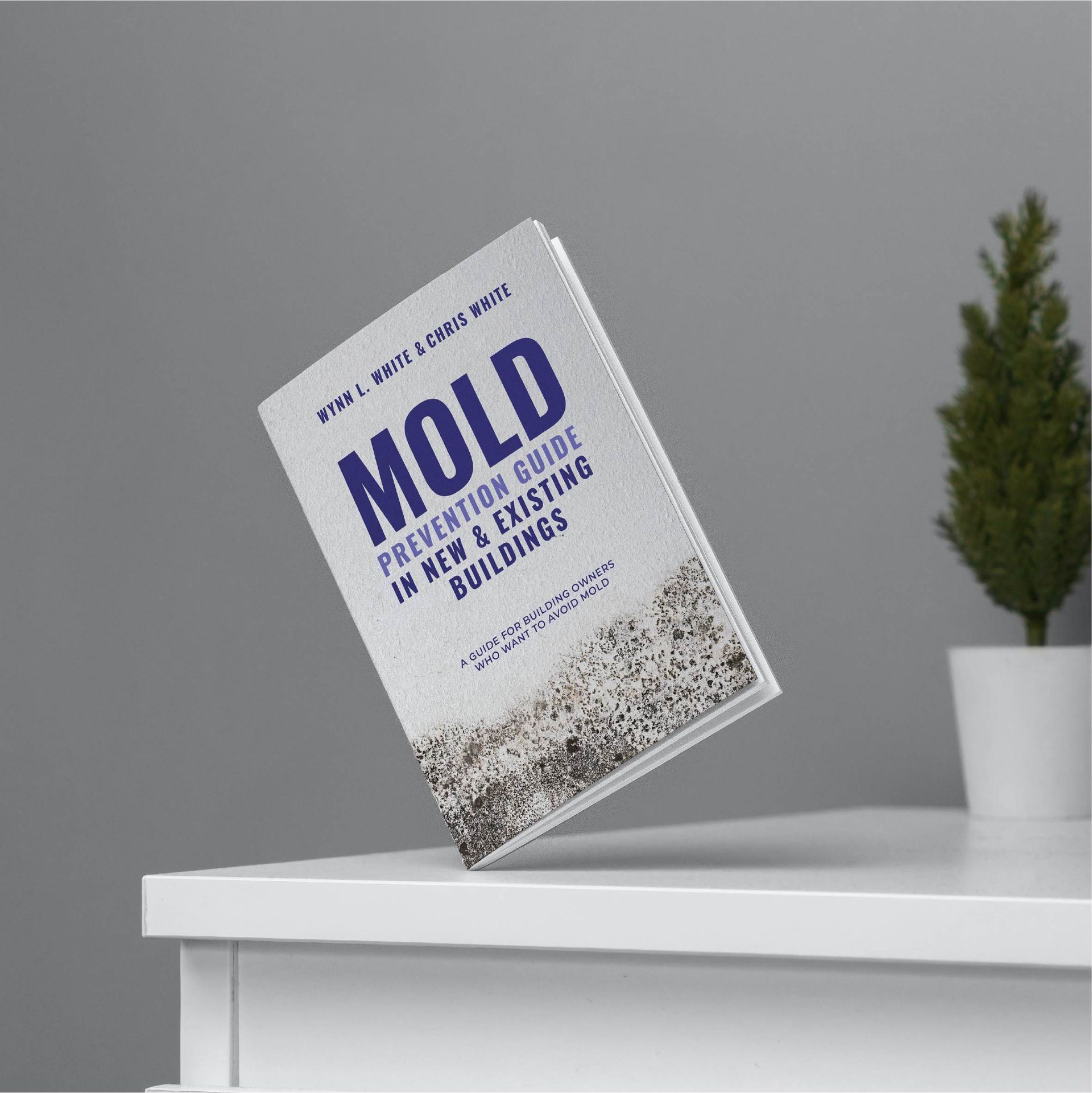
We Wrote the Book on Mold Prevention in Buildings

Why Can Mold Return After Cleanup in Louisiana’s Humid Climate?

Mold can return when the moisture condition supporting growth remains unresolved. In Louisiana, surface treatment alone may not address roof leaks, wind-driven rain, condensation, plumbing problems, or mechanical conditions that allow humidity to remain elevated.


A clearer understanding of the moisture source gives the school district a stronger basis for considering remediation and repair options. The objective is to understand why the condition developed, not only where mold is visible.


Should Lead-Based Paint Be Evaluated Before Renovating an Older Louisiana School?

Lead-based paint should be considered before renovation activities disturb painted surfaces in an older school. Walls, doors, windows, trim, and other painted components may require evaluation depending on the building’s age and the planned scope of work.


Louisiana’s heat, rainfall, and humidity can also contribute to the deterioration of exterior and interior painted surfaces, particularly around windows, doors, roof leaks, and areas affected by repeated moisture exposure.


Renovation and demolition projects can disturb painted materials through:

  • Sanding
  • Cutting
  • Drilling
  • Component removal
  • Wall demolition
  • Window or door replacement


Disturbing painted surfaces can introduce additional planning, documentation, worker-protection, and waste-handling considerations.


Wynn L. White Consulting Engineers supports school districts through lead surveys, paint-chip sampling, air monitoring, and related lead consulting services. A lead-based paint assessment can help the project team consider what additional steps may be appropriate before painted materials are disturbed.


What Information Can a Lead-Based Paint Assessment Provide?

A lead-based paint assessment can provide information about sampled coatings, tested building components, and areas included within the evaluation. The assessment scope should reflect the surfaces expected to be affected by the renovation.


The findings of a lead-based paint assessment may support decisions about:

• Construction planning

• Work-area coordination

• Project documentation

• Air monitoring

• Waste-handling considerations

• Communication with affected stakeholders


The assessment should be coordinated with the proposed renovation scope so the findings address the painted materials most likely to be disturbed.

We Wrote the Book on Lead Hazard Risks

Why Should Indoor Air Quality Be Considered During a Louisiana School Renovation?

Indoor air quality should be considered because Louisiana schools rely heavily on mechanical cooling and dehumidification for much of the year. Moisture conditions, ventilation problems, construction dust, odors, and airborne particles may affect occupied spaces during renovation.


Indoor air quality concerns within schools may involve:

  • Unusual odors
  • Occupant complaints
  • Airborne dust or particles
  • Moisture and mold
  • Ventilation concerns
  • Mechanical systems not performing as expected.
  • Humidity entering during construction.
  • Buildings operating differently after storms or power outages.


The source of an indoor air quality concern is not always apparent. Building conditions, mechanical operation, outdoor humidity, maintenance activities, and construction work may all contribute.


Wynn L. White Consulting Engineers evaluates building conditions through site observations, discussions with occupants and facility staff, environmental sampling, and other targeted indoor air quality consulting services. The findings give district leaders a clearer basis for considering next steps and communicating with employees, families, and other stakeholders.


What Can an Indoor Air Quality Assessment Evaluate in a Louisiana School?

An indoor air quality assessment can consider reported concerns, observed building conditions, mechanical factors, moisture indicators, and selected environmental parameters. The scope should be developed around the specific concern rather than relying on one standard test for every situation.


An indoor air quality assessment may include:

  • Interviews with occupants or facility personnel
  • Review of complaint patterns
  • Building and mechanical observations
  • Moisture and humidity evaluation
  • Targeted environmental sampling
  • Review of conditions in affected areas


Louisiana’s extended cooling season makes the relationship between indoor humidity, airflow, mechanical operation, and building-envelope conditions particularly important. The findings can help school leaders understand what may be affecting the space and determine whether additional evaluation or corrective work should be considered.

Environmental work in an occupied school has to reflect what is actually happening in the field. The project team needs clear information about the building conditions, the affected areas, and the practical decisions that may be needed as the work progresses.

Chris White, P.E., LEED P.E.
Chris White, P.E., LEED P.E. Vice President, Wynn L. White Consulting Engineers

How Can Renovation Affect Indoor Air Quality in an Occupied Louisiana School?

Renovation can introduce dust, odors, particles, or changes in airflow that may reach nearby occupied spaces. Opening exterior walls, removing ceilings, or changing mechanical operation may also allow hot, humid outdoor air to enter conditioned areas.


Environmental conditions can become more difficult to address when construction occurs near classrooms, administrative offices, kitchens, or other occupied spaces. School operations, temporary barriers, mechanical-system operation, and the proposed sequence of work should be considered during planning.


"Environmental work in an occupied school has to reflect what is actually happening in the field. The project team needs clear information about the building conditions, the areas being affected, and the practical decisions that may be needed as the work progresses.”

— Chris White, P.E., LEED AP, Vice President, Wynn L. White Consulting Engineers


Chris White, P.E., LEED AP, began working with Wynn L. White Consulting Engineers in 1988 and now manages projects involving schools, hospitals, contractors, and industrial clients. His documented experience includes asbestos, lead, mold, demolition, building systems, and project management.


Environmental planning can help the project team identify areas where monitoring, separation, or additional coordination may be appropriate. Wynn L. White Consulting Engineers may conduct site visits to observe the progress of environmental work and review the work for general conformance with the design intent.


How Can a Pre-Renovation Environmental Assessment Support a Louisiana School Project?

A pre-renovation environmental assessment can support a Louisiana school project by identifying conditions that may require additional planning before demolition begins. Earlier information gives the school district more flexibility to consider remediation, bidding requirements, construction sequencing, and weather-related scheduling concerns.


Unexpected discoveries during demolition can require the project team to pause, obtain additional information, and reconsider the planned approach.


A Pre-Renovation Environmental Assessment project may also need to account for:

  • Heavy rainfall during roof or exterior work
  • Hurricane-season disruptions
  • Humidity entering opened building areas.
  • Extended drying periods after water intrusion
  • Temporary loss of cooling or dehumidification
  • Continued school operations during phased construction


When potential concerns are evaluated during planning, the project team may have more time to define environmental scopes of work, prepare design or abatement documents, and coordinate remediation with the proposed construction sequence.

A pre-renovation environmental assessment does not remove every possibility of an unforeseen condition. The assessment can reduce uncertainty and help the project team prepare for conditions that may otherwise be discovered after construction is underway.


What Records Should Louisiana School Districts Gather Before an Environmental Assessment?

Louisiana school districts should gather available records describing the facility’s construction, maintenance, environmental history, previous renovations, and storm-related repairs. Existing records help the environmental consultant understand what is already known and where additional evaluation may be useful.


Helpful documents for a school environmental assessment may include:

  • Original construction drawings
  • Renovation and addition drawings
  • Previous asbestos or lead reports
  • Mold or indoor air quality reports
  • Roof and plumbing repair records
  • Water-intrusion documentation
  • Hurricane or flood-damage reports
  • Records of extended power or air-conditioning outages


Older records may not fully describe current building conditions. Existing documents should be considered alongside the planned renovation scope and current site observations.


When Should a Louisiana School District Involve an Environmental Consultant?

A Louisiana school district should consider involving an environmental consultant during planning, before demolition or renovation activities begin. Early involvement provides more time to review building records, understand the proposed construction scope, and consider how local weather conditions may affect the project.


Early involvement of an Environmental Consultant in a school renovation may be useful for projects involving:

  • Aging school campuses
  • Classroom additions
  • Facility modernization
  • Roof or exterior-envelope work
  • Storm-related repairs
  • Mechanical-system upgrades
  • Renovation of occupied buildings


The appropriate timing and scope depend on the building, planned work, known environmental conditions, and reported concerns. Environmental questions are generally easier to address during planning than after construction activities have started or after the building has been opened to Louisiana’s outdoor heat and humidity.

Wynn and his crew quickly jumped in to help. They showed up with advice, guidance, and true partnership. You can get professional services anywhere. You can’t get this level of dedicated client commitment just anywhere.

David Alexander
David Alexander Former Superintendent of Ascension Parish Schools

Why Does Environmental Planning Matter During Louisiana School Disaster Recovery?


Environmental planning matters during Louisiana school disaster recovery because hurricanes, flooding, wind-driven rain, extended power outages, and loss of air conditioning can affect multiple buildings at the same time. Conditions may continue changing while district leaders work to reopen schools and maintain operations.


Following the 2016 Louisiana flood, Ascension Parish Public Schools faced damage across several campuses while continuing to educate approximately 6,000 displaced students.


Wynn L. White Consulting Engineers evaluated asbestos, mold, and indoor air quality concerns and prepared environmental design documents to support the recovery effort. The firm also provided air monitoring, communicated with contractors and project teams, and reviewed remediation documentation as work progressed.


Technical findings were explained to district leadership so decision-makers could understand observed conditions, consider available options, and respond as new information became available.


Superintendent David Alexander later described the working relationship with Wynn L. White Consulting Engineers:

“Wynn and his crew quickly jumped in to help. They showed up with advice, guidance, and true partnership. You can get professional services anywhere. You can’t get this level of dedicated client commitment just anywhere.”


The Ascension Parish Public Schools indoor air quality and disaster recovery case study describes how environmental information supported district leadership during a complex, multi-campus recovery effort.


Projects involving hurricanes, floods, or other extensive water damage may also benefit from early school storm and disaster recovery consulting. Wynn L. White Consulting Engineers provides storm-recovery services involving water-damage assessment, mold-related evaluations, remediation planning, and related support for schools and other building owners. Understanding observed conditions can support prioritization, communication, and continued progress across affected facilities.


How Can Louisiana School Districts Prepare for Renovating Older Buildings?

Louisiana school districts can prepare by gathering available records, defining the planned construction scope, and evaluating environmental conditions before demolition begins. Planning should also account for the effects of heat, humidity, rainfall, storm exposure, and mechanical-system operation.


Preparation should begin with the building as it exists today, not only with original drawings or earlier reports.


School districts can take five practical steps in building renovations:

  1. Gather available construction, maintenance, environmental, and storm-repair records.
  2. Identify the building areas and materials expected to be disturbed.
  3. Document known roof leaks, water intrusion, occupant concerns, and previous renovations.
  4. Consider how outdoor humidity and weather may affect opened or occupied spaces.
  5. Coordinate environmental evaluations with the design and construction schedule.


Wynn L. White Consulting Engineers helps Louisiana school districts evaluate existing environmental conditions, understand technical findings, and consider practical next steps before renovation begins. Better information does not eliminate every unknown. However, it does provide Louisiana school districts a clearer path into design and construction, with fewer avoidable surprises and stronger coordination among project participants.

Recent Posts

By Chris White May 12, 2026
Each week we bring you a roundup of posts from our blog that we think you’ll find interesting, informative, and entertaining–even if they’re written by an engineer. Mold Problems after Sandy (Audio) “Michael Reilly, Director of the Division of Planning and Response at the National Center for Disaster Preparedness and Assistant Professor of Clinical Environmental Health Sciences at Columbia University’sMailman School of Public, talks about the threat of mold in buildings after Hurricane Sandy, and what it could mean for public health during the ongoing recovery.” 10 Tips and 3 Tricks to Kill Mold “Mold might not be the end all bad stuff that some folks make it out to be. But if you or someone else notices it-it must be an aggravation at the very least-and it is causing pain of some sort, so let’s stop it, clean it up, and keep it from coming back. Just taking the time to talk about mold is hurting your productivity, and there are known health affects of mold.” 5 Lessons from a Speaking Engagement “Yesterday I had the privilege of speaking to the Rotary Club of Lake Charles about mold and moisture prevention. The presentation went great, but it got off to a rough start. This wasn’t my first time at the rodeo, so I managed to smooth things out. Here are some lessons and advice when addressing an audience.” For over 25 years, Wynn L. White Consulting Engineers offers services and capabilities to lower owners’ risks through effective management of environmental, health, and safety exposures. Our main objective is to provide professional services which will allow our customers to concentrate on their core business functions. Contact us for a free 30 minute consultation to see how we can help you make your projects more efficient and more effective.
By Chris White May 12, 2026
Each week we bring you a roundup of posts from our blog that we think you’ll find interesting, informative, and entertaining–even if they’re written by an engineer. Mold, Asbestos Disclosure not Required in La. Home Sales “Buyer beware: The Louisiana State Board of Home Inspectors Standards and Practice doesn’t require home inspectors to disclose hazardous materials in homes–including asbestos, mold, and even harmful toxic drywall. The reason the for this? Home inspectors are not accredited inspectors for asbestos, mold, and toxic drywall.” Lead in NOLA Soil Linked to Violent Behavior “The City of New Orleans has found high levels of lead in public playgrounds and is working to remediate the soil. Part of the issue is the incredibly high number of old houses in New Orleans that were painted with lead-based paint. When it comes time to sand and repaint, not everyone follows the rules to prevent lead from entering the air and eventually winding up in soil.” Is the Quest for Energy Savings Killing your Indoor Air Quality? “A lot of focus is put into making a building super “tight” for energy saving purposes.This means wraps, sealants, foams, insulation, etc. are used to reduce air infiltration. These features are excellent for energy savings, but reducing infiltration ventilation in a building can cause indoor mold growth (a large contributor to poor IAQ) and a buildup of indoor air pollutants.” A Tatooine House in the Desert – Still Prone to Moisture Intrusion (Free Download) “I don’t often read The New York Times, but when I do, I usually find something interesting like an article that details an innovative way to use bales of hay as a building material. The Big Bad Wolf and The Three Little Pigs come to mind, but in all seriousness using straw and plaster is not a bad way to utilize a renewable building material as long as you build the walls correctly to avoid moisture intrusion.” For over 25 years, Wynn L. White Consulting Engineers offers services and capabilities to lower owners’ risks through effective management of environmental, health, and safety exposures. Our main objective is to provide professional services which will allow our customers to concentrate on their core business functions. Contact us for a free 30 minute consultation to see how we can help you make your projects more efficient and more effective.
By Chris White April 29, 2026
Each week we bring you a roundup of posts from our blog that we think you’ll find interesting, informative, and entertaining–even if they’re written by an engineer. Global Worming? No, that’s not a typo “According to a story in the journal Nature Climate Change, worms are contributing more greenhouse gasses than previously thought. Do we eradicate worms from the Earth? That probably wouldn’t be very wise, but this got me thinking–how can we reduce CO2 in our day-to-day lives? Below are some common sense tips for reducing air pollution and hopefully some CO2 in the process.” This Miracle Spray Will Have You Walking on Water! (Video) “There’s a “miracle” product advertised on TV that is a miracle cure-all for leaks and all sorts of water problems. I’m sure you’ve seen it – the one where the pitch man sprays the product over an open screen door that’s placed in the bottom of a boat. Then we see him paddling around like nothing ever happened.” Is Your Risk Management Plan up to date? “An article about an ammonia release at Reddy Ice in Baton Rouge prompted me to remind our clients that their Risk Management Plan (RMP) as required by EPA needs to be kept up to date. Contact me for a free consultation if you get lost in the regulatory maze.” Push for New Silica Exposure Rules Gaining Traction “The Occupational Safety and Health Administration (OSHA) and the Office of Management and Budget (OMB) are coming under increasing pressure to address what some call hazardous working conditions in exposure to silica.” For over 25 years, Wynn L. White Consulting Engineers offers services and capabilities to lower owners’ risks through effective management of environmental, health, and safety exposures. Our main objective is to provide professional services which will allow our customers to concentrate on their core business functions. Contact us for a free 30 minute consultation to see how we can help you make your projects more efficient and more effective.
By Wynn White April 29, 2026
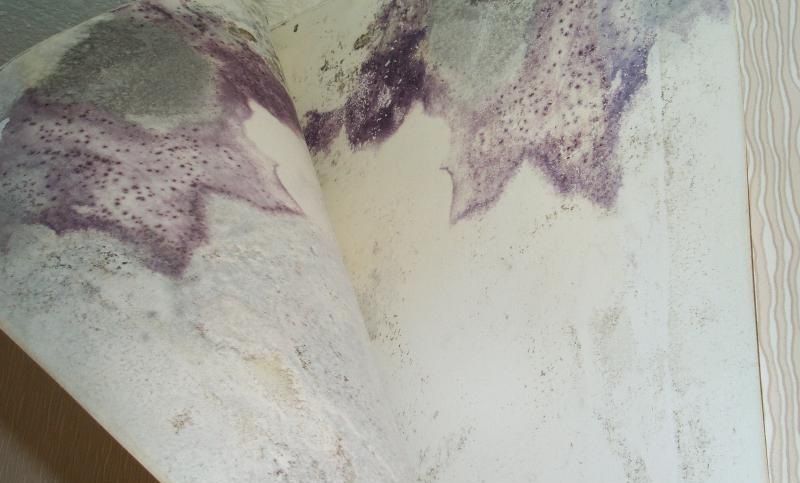
Prevent Recurring Problems – don’t waste time and money dealing with the same problem over and over again. Recur is defined as “to occur again, periodically, or repeatedly.” In our mold and moisture work, we see many instances where mold and moisture problems recur. Why is that? As it turns out, there are many reasons. A lot of these reasons have to do with complicated physics – the Second Law of Thermodynamics for example. There are tons of great websites, magazine articles, and books that explain all this in exhaustive detail – I just gave you the short answer. Practically speaking, the “real” reason is many times much easier to understand. Maybe the building owner thought the problem was fixed and mold and moisture problems wouldn’t happen again. Maybe the previous project solved part of the problem, but there was something else missed, and now it’s causing mold and moisture problems. Maybe there’s not enough money right now. Often though, we notice that mold and moisture problems are cyclical, almost following the calendar. When the weather starts to warm up, we get more and more calls from building owners having mold and moisture problems. “Can you come out and look at this?” – so we go out, look at it, take samples, and tell them they do indeed have a mold or moisture problem. Gee thanks, Chris! “So what do we need to do to clean it up?” – we tell them. Maybe remediation happens, maybe not. One important question is many times not asked: what caused the problem? Another important question is also left out: what has to happen to keep this from coming back? Those two questions are what I want to get at. I want to help my client get to the cause AND the real solution. Is it useful to know what type of mold is present? Sure, but it doesn’t stop there. Likewise, the work probably shouldn’t stop when the mold cleanup is finished. More often than not, our work stops after the mold remediation. Maybe the owner doesn’t want to carry out the time consuming and expensive renovation or HVAC modification necessary to solve the problem. Or maybe repeating remediation is easier than the long term fix. It’s not – we’re just delaying the real fix. But hey, I’ll worry about that next quarter, or next year…. Whatever caused the mold or moisture problem, the remediation phase should also include eliminating the cause – in order to prevent recurrence. In other words, do this once, eliminate recurrence of the mold and moisture problems you’re fighting. One thing’s for sure, if you have a mold and moisture problem, and you don’t eliminate what caused the mold and moisture problem to occur, the remediation work you’re doing now is only a dress rehearsal for the next time the problem occurs. Be ready to remediate all over again. The good news is you won’t have to call me to come back and take samples, because you’ll already know you have mold. I know that’s not exactly a revelation, but it happens – a lot. And I know building owners and occupants are frustrated when they keep fighting (and appearing to solve) the same problem over and over again. So why doesn’t the full solution play out? Sometimes the weather changes and the problem appears to go away. But sometime the problem comes back as soon as the hot, humid times return. And here in Louisiana, that doesn’t take long. Some owners are ok with cleaning up one time, knowing the mold will come back. Whatever the reason, it’s not much fun to work on the project and not achieve the actual goal – remediating a mold or moisture problem AND keeping the problem from returning. It’s not much fun to be asked, “Why didn’t you get this right the first time?”. So why this a seasonal thing? Well, one day, our buildings seem to be wringing wet, mold is growing like crazy, and we have to do something. The next thing you know, it cools down, and the mold goes away, or the wet materials seem to dry out. So the problem’s solved – right? Since that’s the case, we don’t need to do anything else, do we? Well, it depends. If your goal is to get by until you really, really have to clean it up, ok. If your goal is to prevent recurrence, you have to work the problem through to the end. One thing I’ve yet to mention directly is the case where the owner may have received bad advice from a consultant or contractor. I may have done a great job at determining where the mold is, what kind it is, and how to clean it up – but if I didn’t do a good job of finding the cause and recommending a solution, then the problem won’t get solved on its own. The ceiling shown in the picture below could be materal that’s gotten wet over the last twenty years, and now it’s damaged and has mold. That’s not good, but what if that ceiling was only five or six years old, and this was the second or third time the owner’s had to remediate?
By Wynn White April 27, 2026
Social media’s fantastic. Twitter, Facebook, and other social media outlets allow regular folks like me to interact with our favorite authors, celebrities, athletes, and friends. And there’s also unlimited potential for wasting time and killing productivity. Don’t tell my boss – it’ll take away from his time spent looking for clever Star Trek slides to insert into his PowerPoint files. If you’ve seen him speak, you know what I mean. Over recent months, I’ve noticed Twitter accounts for many fictional characters. Darth Vader has at least one Twitter account. Some of the tweets are actually pretty funny. Recently I tweeted a link to a news article from Australia relating the plight of Australian homeowners dealing with asbestos problems in their homes. That may not seem like a huge news story, but these homes are called “Mr. Fluffy homes” since they contain an asbestos insulation product known as – you guessed it – Mr. Fluffy. 
By Chris White April 27, 2026
Growing up in the ‘60s, I was never really into Heavy Metal—or was I? Looking back, I remember getting my driver’s license, and in 1967 listening to… “Get your motor runnin’ Head out on the highway Looking for adventure In whatever comes our way” …from “Born to be Wild” by Steppenwolf. Great times. When I had a little extra money and wanted my Mustang to have a little more spiz—I asked the gas station attendant to “fill her up with ethyl”—meaning premium high octane gasoline. Ethyl was tetraethyl-leaded gasoline. Who knew the problems leaded gasoline would cause? Fast forward to today and the consulting work I do to reduce the problems caused by lead. Who would have predicted I would be helping clean up some of the problems I helped create?
By Built By Bonfire September 17, 2025
The new season is a great reason to make and keep resolutions. Whether it’s eating right or cleaning out the garage, here are some tips for making and keeping resolutions.
By Built By Bonfire September 17, 2025
There are so many good reasons to communicate with site visitors. Tell them about sales and new products or update them with tips and information.
By Built By Bonfire September 17, 2025
Write about something you know. If you don’t know much about a specific topic that will interest your readers, invite an expert to write about it.