Negative Air Pressure: The Hidden Cause of Mold in Commercial Buildings
A building does not need a roof leak to have a moisture problem. Exhaust fans and other air systems can pull humid outdoor air through gaps around windows, walls, and ceilings when the building doesn't get enough replacement air. As that moisture reaches cooler surfaces, condensation can develop in places that are difficult to see.
In Louisiana’s humid climate, this can leave building owners dealing with recurring mold even after they clean or repair visible damage. Understanding how air moves through the building helps explain why the problem keeps returning and what needs to change to stop it.
What Is Negative Air Pressure in a Building?
Negative air pressure means the pressure inside a space is lower than the pressure in an adjacent space or outdoors. That difference causes air to move toward the lower-pressure area through available openings.
“When a fan pulls air out of a building, replacement air has to come from somewhere. If the system isn’t supplying it, you need to find out where that air is coming from and what moisture it’s bringing with it.”
If the intended air supply is inadequate, replacement air may enter through gaps around windows, wall penetrations, ceiling spaces, or other parts of the building’s exterior.
For commercial building owners , tracing that airflow can help explain moisture problems that a roof or plumbing inspection didn't resolve.
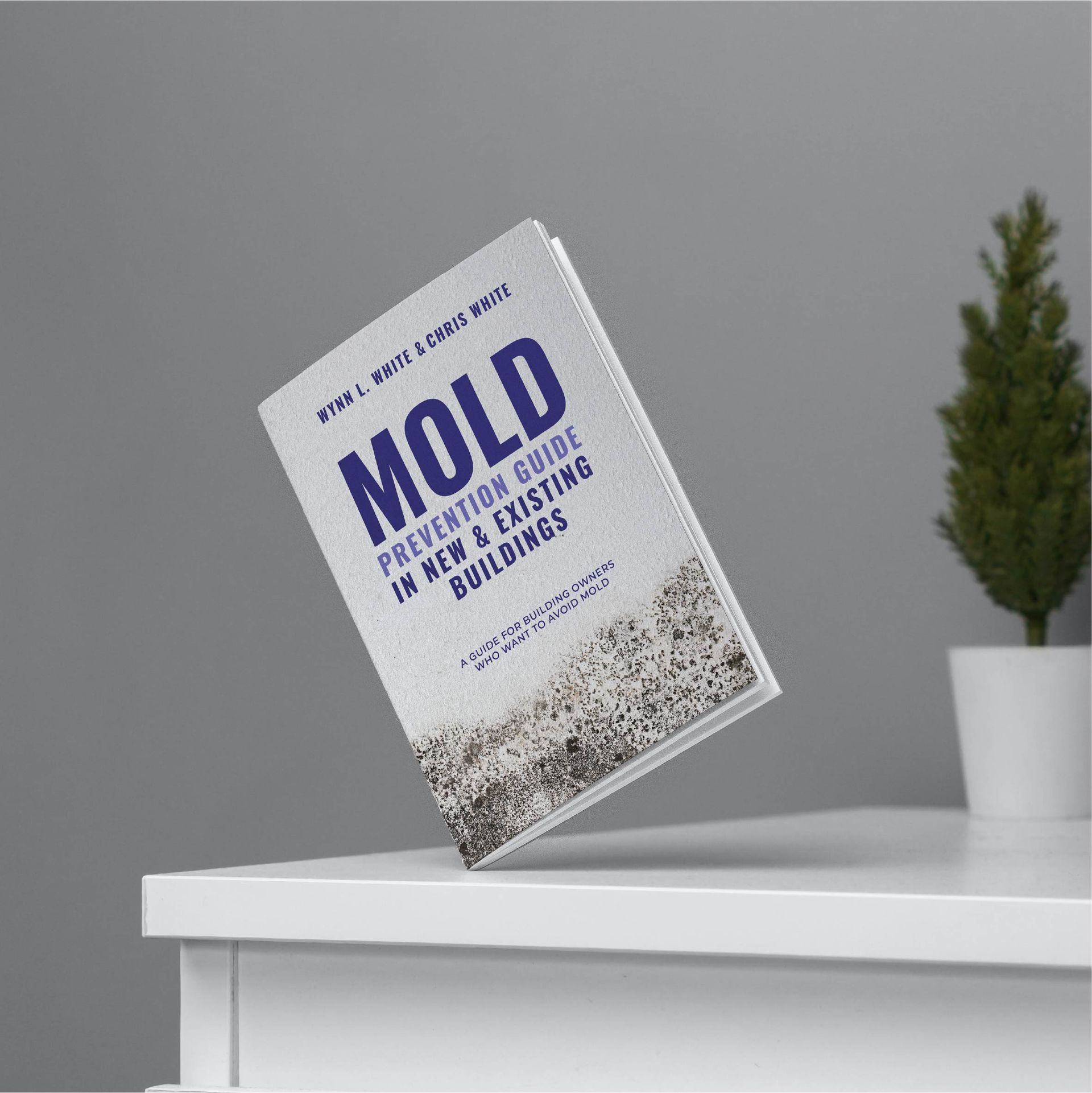
We Wrote the Book on Mold Prevention in Buildings
How Does Negative Air Pressure Contribute to Mold Growth?
Negative pressure can contribute to mold by pulling humid outdoor air into an air-conditioned building, where it can reach cold surfaces and leave condensation. Whether moisture accumulates depends on the weather, where the air travels, and the temperature of the materials it reaches.
In Louisiana’s humid weather, incoming air can bring considerable moisture into a building. When that air reaches a surface below its dew point, the temperature at which condensation forms, materials inside walls or above ceilings can become wet. Wall coverings and construction details may also make it harder for those materials to dry.
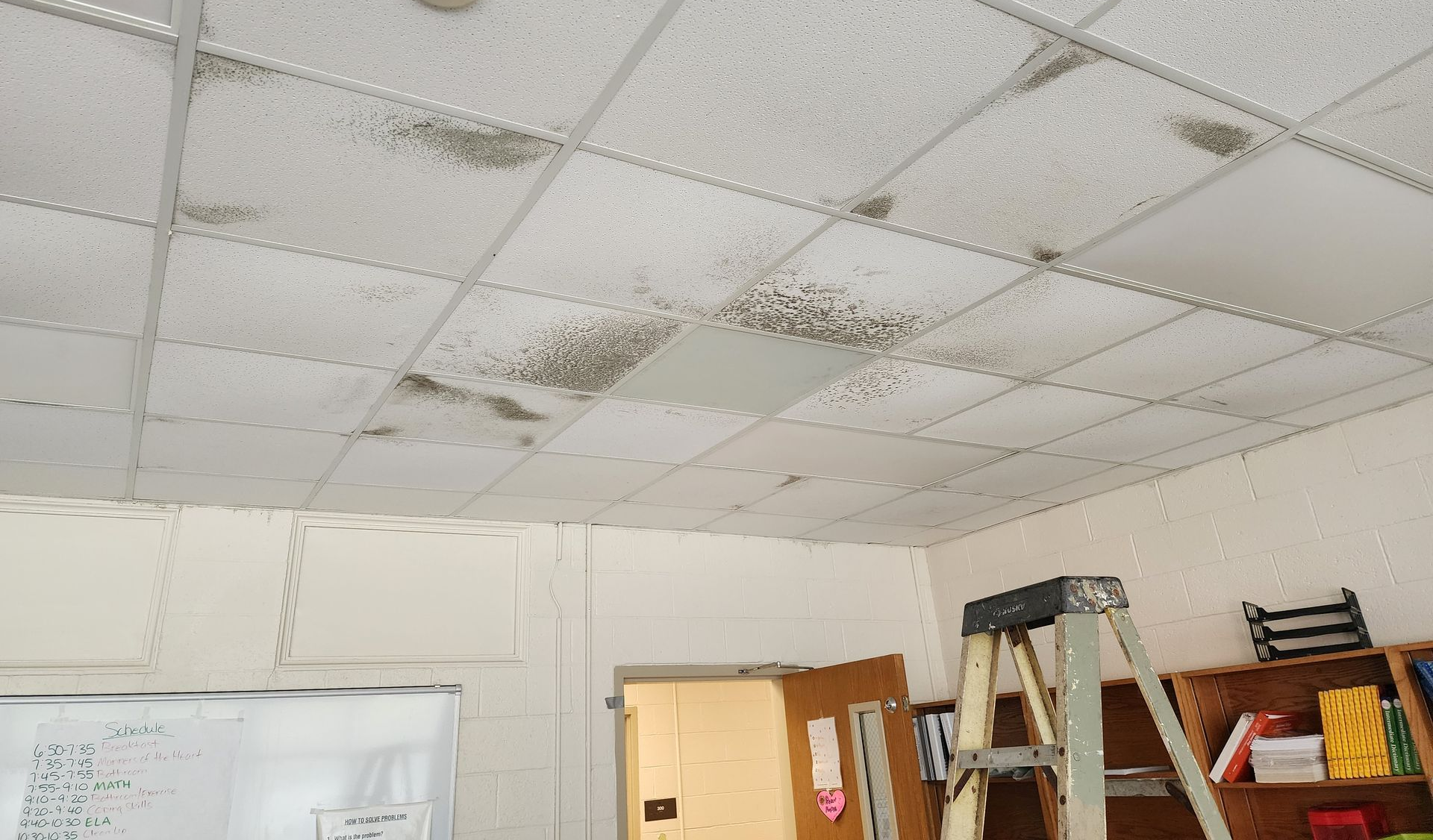
This is why mold investigations sometimes need to extend beyond the room where growth appears. The visible damage may show where moisture collected rather than where humid air first entered.
What Causes Negative Air Pressure in Commercial Buildings?
Negative pressure can develop when exhaust systems remove more air than the building's intended air supply provides. Duct leaks and equipment schedules can create that imbalance, while wind and temperature differences can also affect airflow.
Restroom fans, kitchen exhaust, and other exhaust systems need enough replacement air to operate properly. If an exhaust fan keeps running after the replacement-air system shuts down, the building may pull air through unintended openings overnight.
The return-air system also deserves attention. If it draws air through a ceiling cavity connected to gaps in an exterior wall, it may pull humid air into the building. Working with architects and engineers helps connect those building details with the operation of the mechanical system.
What Are the Signs of a Negative Air Pressure Problem?
Air pulling inward around exterior doors, recurring moisture near outside walls, and problems that appear when exhaust fans operate can signal a pressure issue. These observations help guide an investigation, but they don't establish the cause on their own.
Document what happens and when:
- Does the problem change when a kitchen starts operating?
- Does moisture appear overnight or after hours?
- Is staining concentrated near exterior walls?
An indoor air quality investigation can evaluate those patterns alongside pressure measurements, airflow, humidity, and previous repairs.
Measurements should reflect how the building normally operates. Testing with several fans off may miss imbalances that occur during daily use. In hospitality properties , varying occupancy and exhaust schedules make it especially useful to compare conditions at different times.
Should Every Room in a Building Have Positive Air Pressure?
No. The appropriate pressure depends on how each space is used. Some rooms intentionally operate under negative pressure to help keep contaminants from moving into surrounding areas.
That distinction is particularly important in healthcare facilities , where certain rooms have specific ventilation and pressure requirements. Addressing humid air entering through an exterior wall requires a different approach from changing the pressure in a room designed for isolation.
Shutting off required exhaust or closing outdoor-air dampers can create other problems. A qualified team should evaluate ventilation, moisture control, and room pressure together so that a correction preserves the building’s intended functions.
How Do You Correct Unwanted Negative Air Pressure in a Building?
Correcting unwanted negative pressure involves identifying where air is being removed, how replacement air enters, and which leakage paths contribute to the moisture problem. Depending on the findings, repairs may include adjusting airflow, changing equipment schedules, supplying properly conditioned makeup air, sealing duct leaks, or repairing gaps in the building’s exterior.
After the work is complete, check pressure and humidity with the building operating under the conditions that caused the problem. Facility teams should know what changed and what to watch for, especially during humid weather or changes in occupancy. Our Mold Prevention Guide offers additional guidance on preventing the moisture conditions that allow mold to develop.
Any existing mold or damaged materials still need appropriate remediation. If you suspect humid air is entering through unintended openings, contact Wynn L. White Consulting Engineers to evaluate the building’s pressure, airflow, and moisture conditions and identify the next steps.