Why Your HVAC System May Be Causing Mold Problems in Your Building
A comfortable building is not always a dry building. Your HVAC system may keep the temperature where you want it while leaving too much moisture in the air or allowing humid outdoor air to reach cold surfaces. Those conditions can lead to mold around air vents, above ceilings, or behind wall coverings, even when the equipment appears to be working.
When mold shows up, cleaning the affected area is only part of the solution. You also need to understand where the moisture is coming from and how the HVAC system may be contributing. Otherwise, the same conditions that caused the problem can remain long after the visible mold is gone.
How Can HVAC Systems Cause Mold in Commercial Buildings?
An HVAC system can contribute to mold when it leaves too much moisture in the air, creates cold surfaces that collect condensation, or moves humid air into places that should stay dry. The equipment does not have to stop working completely for those conditions to develop.
In my Mold 101 presentation, I emphasized that HVAC systems and building enclosures interact. That matters because a mechanical problem can show up as a wall problem, and a wall problem can make the mechanical system work harder. Our mold and moisture consulting looks at those relationships rather than treating each stained material as an isolated repair.
We Wrote the Book on Mold Prevention in Buildings
Does a Comfortable Indoor Temperature Mean Humidity Is Under Control?
No. Temperature alone does not tell you whether the HVAC system is controlling humidity. A thermostat can be satisfied while moisture remains in the air or in building materials.
Cooling and moisture removal are related, but they are not interchangeable. Equipment sizing, operating time, outdoor air, and controls all affect the result. A system that cools a space quickly may not remove the moisture the building needs under those conditions.
“A comfortable temperature doesn’t tell you the whole story. If you clean up the mold but leave the moisture problem in place, you haven’t finished the job.”
That is why we check both indoor temperature and humidity when investigating a moisture problem. In commercial buildings , the useful question is how the system performs through the day and after hours, not simply whether the thermostat says 72 degrees during a visit.
Why Does Condensation Form on HVAC Ducts and Building Surfaces?
Humid air can leave condensation on a surface that is colder than its dew point. Cold ducts, piping, diffusers, and concealed wall surfaces can become collection points when moist air reaches them.
Turning the thermostat down further can cool those surfaces without addressing the incoming moisture. In a hot, humid climate, makeup air needs appropriate moisture control. Depending on the building, that may involve dedicated dehumidification, a dedicated outdoor air system, or changes to existing controls.
The right approach requires the design team to consider the equipment and enclosure together. Our work with architects and engineers includes evaluating building conditions and details that affect performance. A larger air conditioner isn't automatically the answer.
What HVAC Problems Should You Check When Mold Appears?
Facility teams should check drainage, insulation, duct leakage, operating schedules, and how the system handles outdoor air before assuming replacement equipment will solve the problem.
Start with the basics:
- Is the condensate pan draining?
- Is insulation damaged or missing?
- Did the problem begin after control system change, equipment replacement, or extended shutdown?
- Are exhaust fans running when the system that supplies replacement air is off?
Will Duct Cleaning or Ceiling Tile Replacement Stop Mold From Returning?
Cleaning or replacing affected materials may be necessary, but it will not correct an HVAC condition that keeps supplying moisture. The investigation needs to establish both what requires remediation and what caused the wetting.
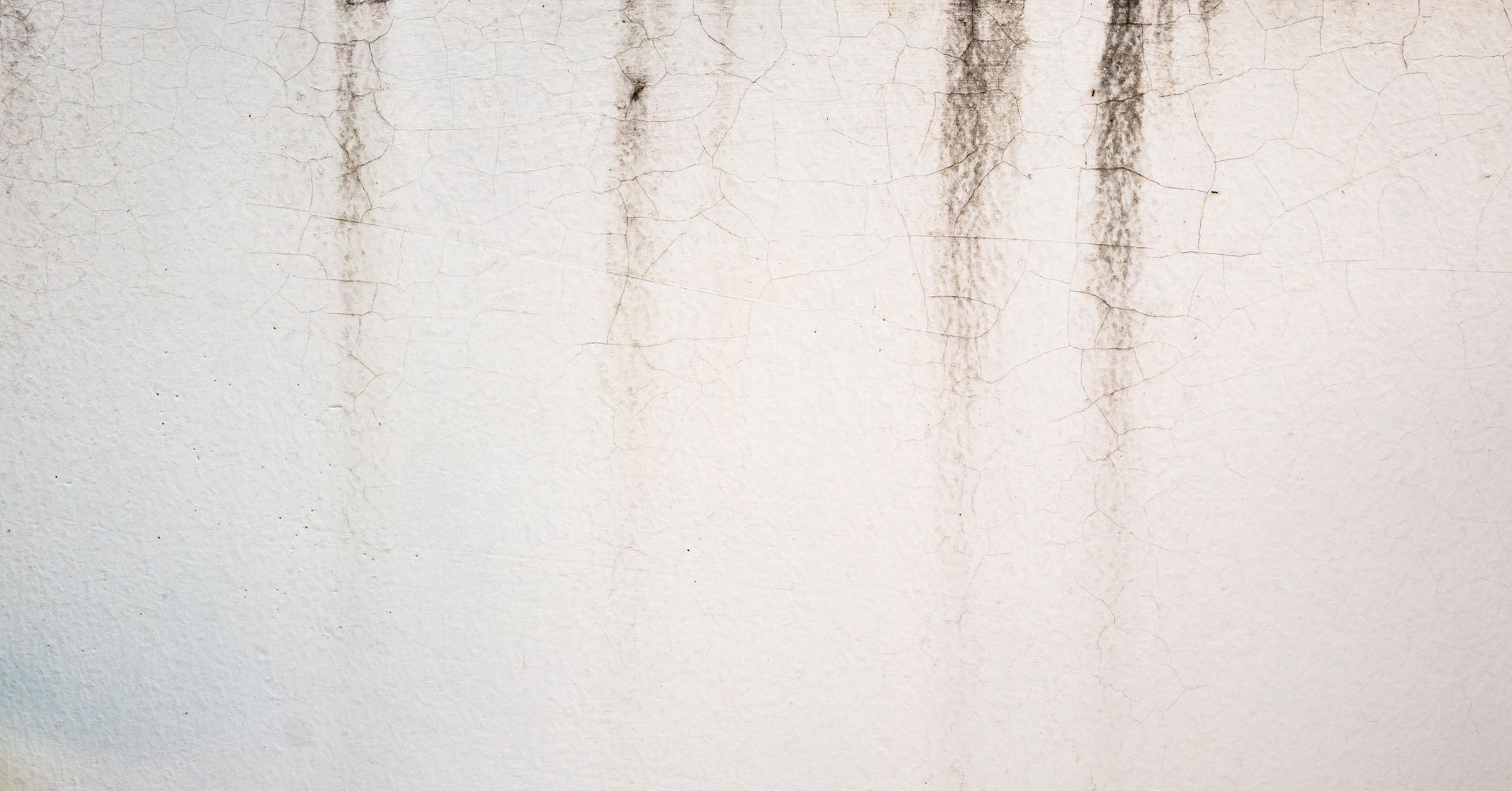
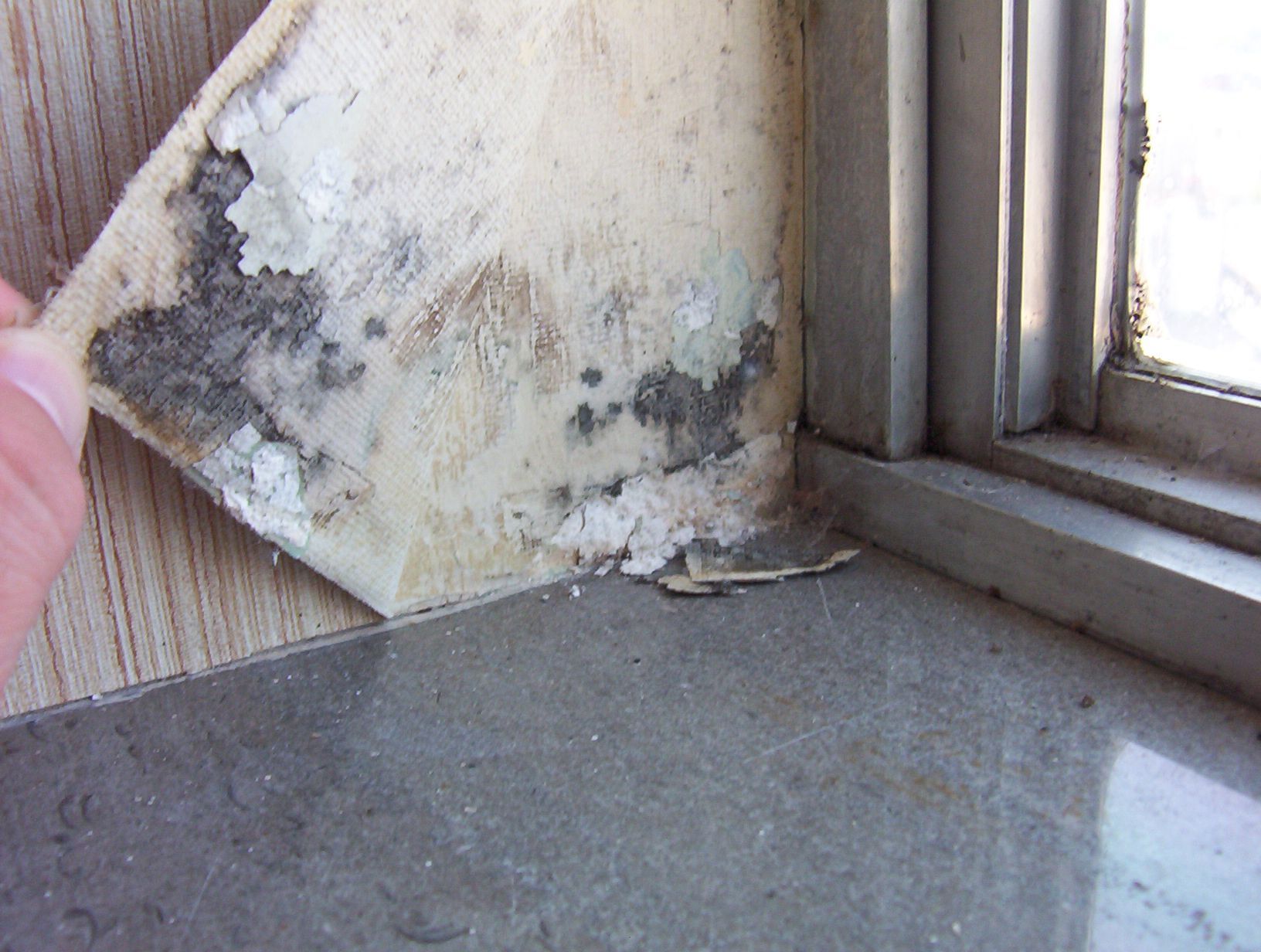
A dark mark around a diffuser also is not enough by itself to identify mold. Dust, staining, and other deposits can look similar. Our indoor air quality consulting can help evaluate the concern and determine whether targeted sampling would answer a useful question.
Keep a record of locations, dates, weather, and operating conditions. Photos are useful, especially before materials are removed. Avoid disturbing suspect growth or opening concealed areas without an appropriate assessment and work plan.
How Can You Prevent Recurring HVAC Moisture Problems?
Prevent recurring HVAC moisture problems by correcting the moisture source and checking that the repair works under normal operating conditions. That may require monitoring humidity, confirming drainage, and verifying airflow rather than relying on one satisfactory temperature reading.
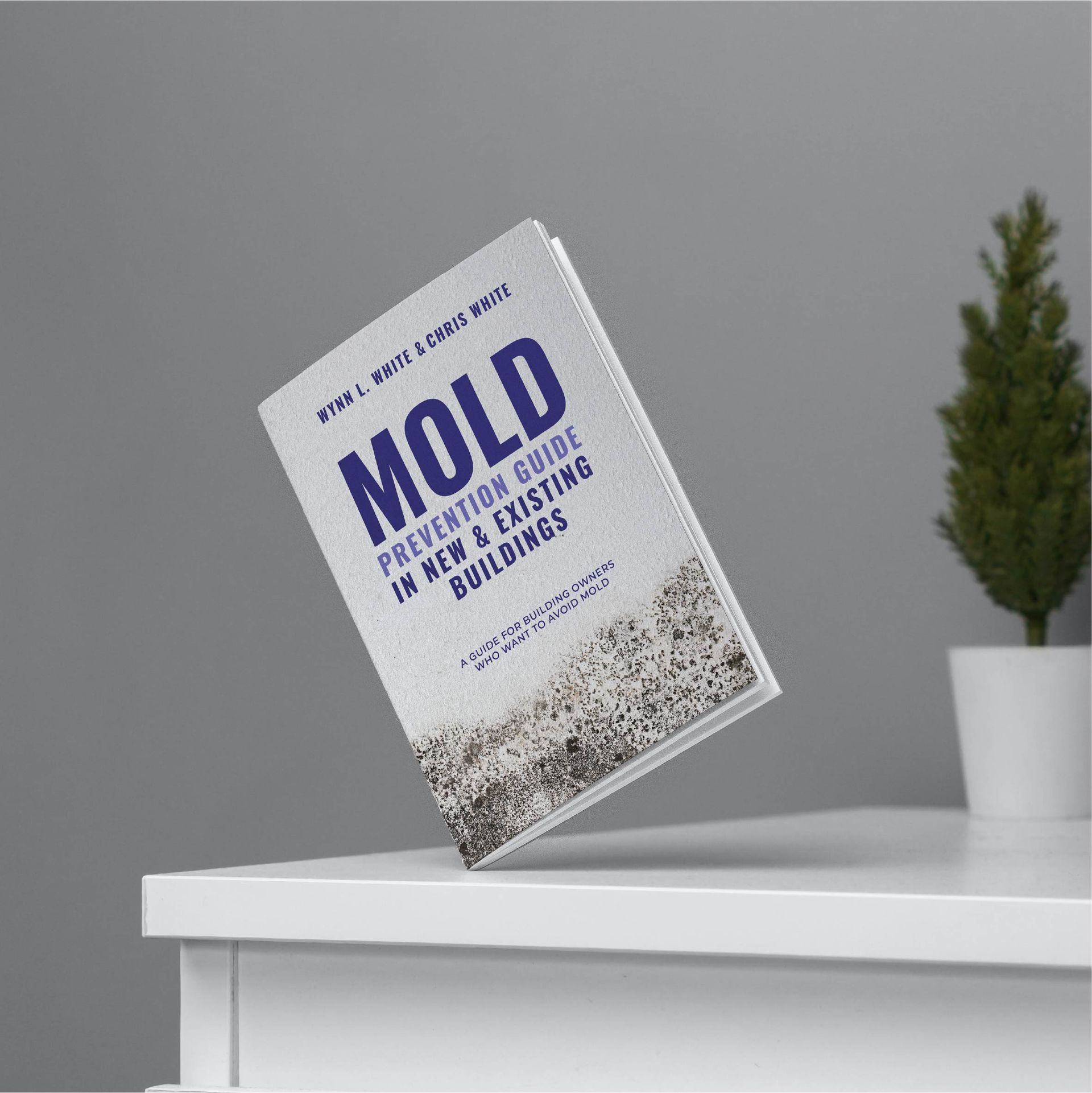
Ongoing maintenance matters, too. Facility teams should know what was repaired, what conditions to monitor, and when to investigate a change. The Mold Prevention Guide Wynn and I wrote offers additional guidance on preventing the moisture conditions that allow mold to develop.
If the same area keeps getting wet or the cause is unclear, Wynn L. White Consulting Engineers can help investigate the conditions contributing to the problem. Contact our team before committing to another round of repairs.