
Environmental Hazard Remediation After Tropical Storm Marco and Hurricane Laura

Chris White • June 10, 2026

Share this article

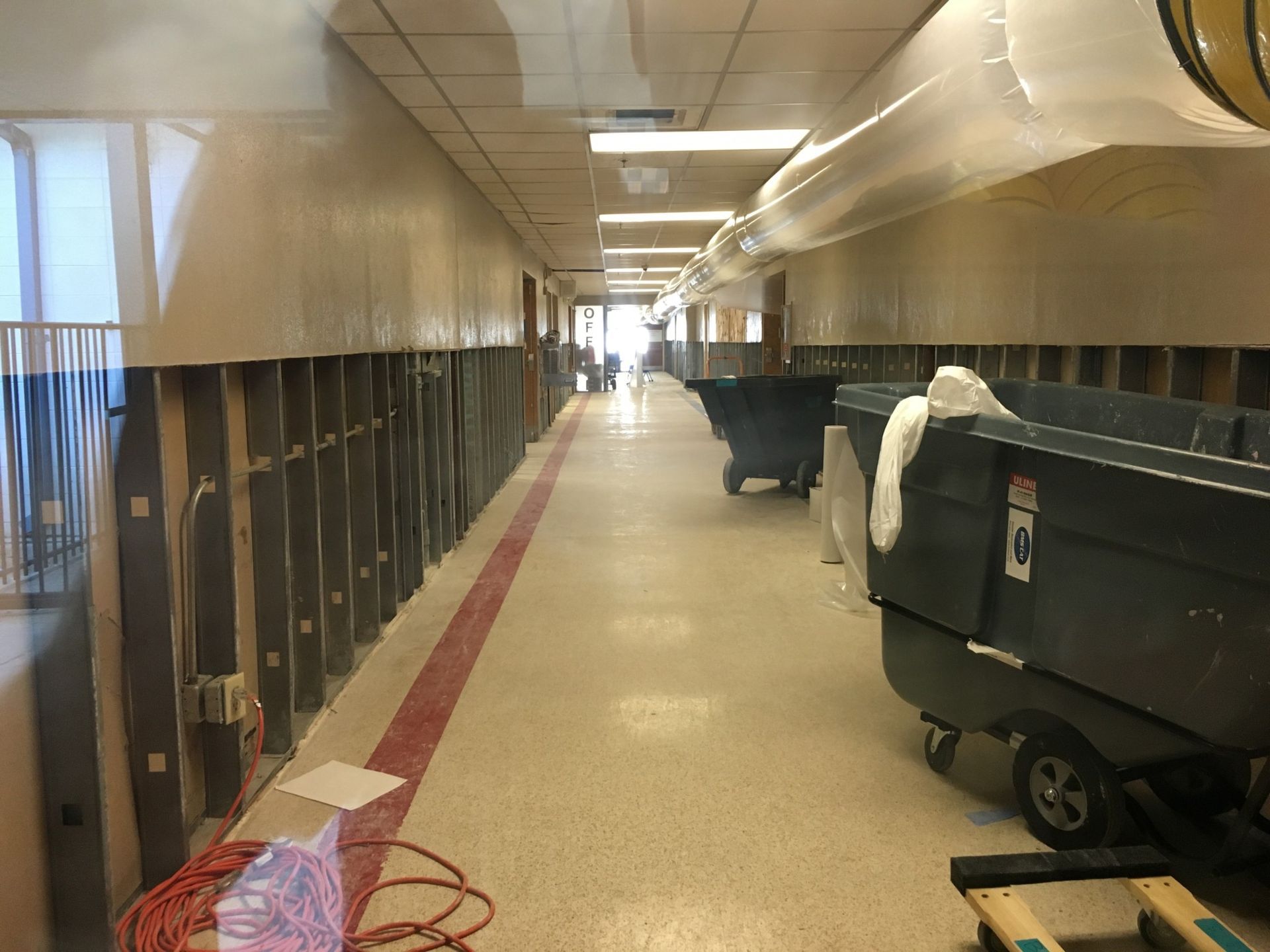
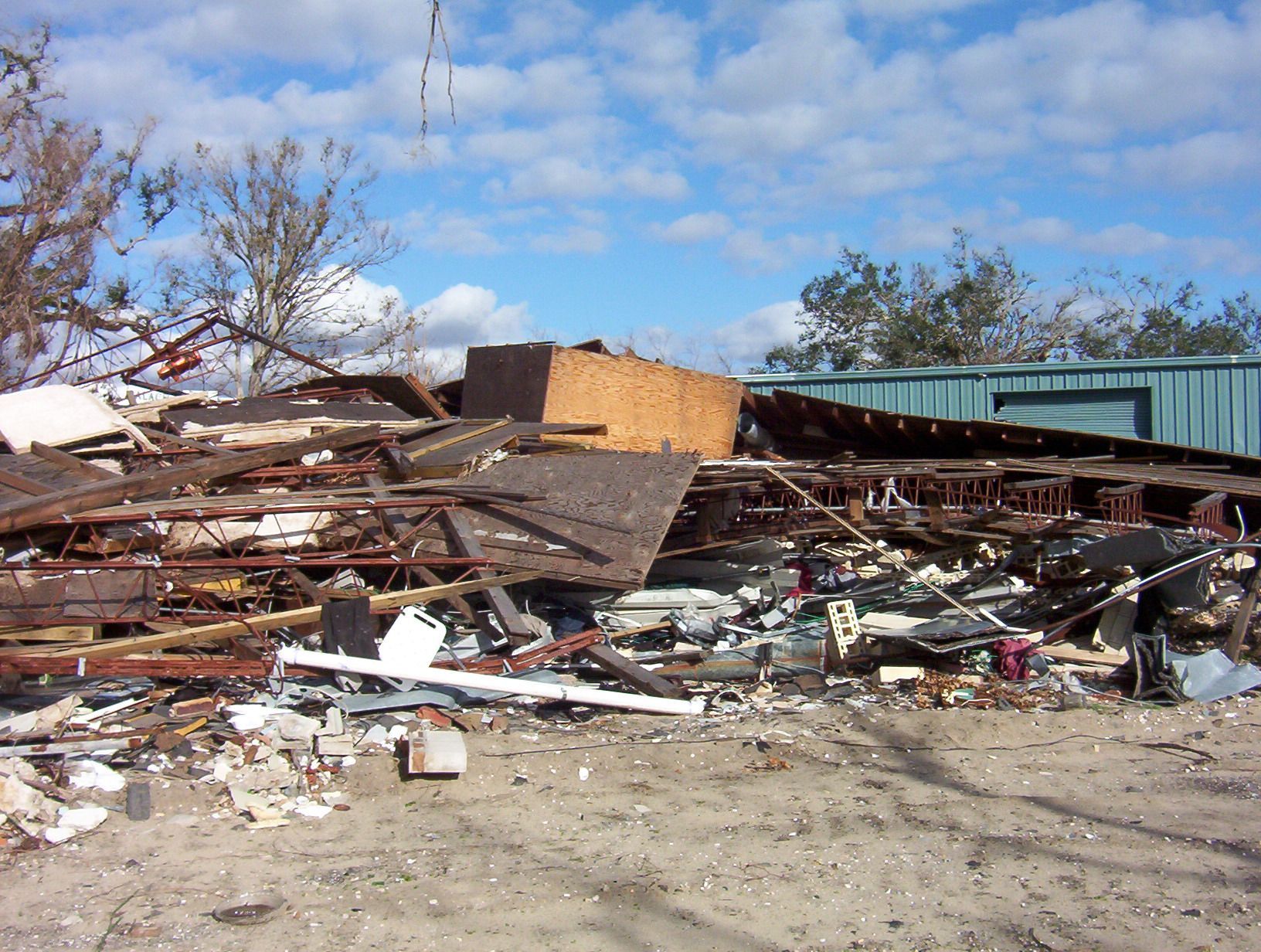
If current projections hold, Tropical Storm Marco will make landfall along the Louisiana coast, followed soon after by Hurricane Laura. Environmental hazard remediation after Tropical Storm Marco and Hurricane Laura will involve mold remediation and water damage restoration. That’s a given. But there are other environmental hazards often present in our homes and buildings – asbestos, lead, PCB, and mercury.

Typically, storm coverage emphasizes mold remediation. I get it – mold remediation has been a hot topic for years now, and will continue to be, especially every time we have a tropical storm or hurricane. But everyone involved with environmental hazard remediation and recovery has to consider the other environmental cleanup hazards they could encounter.

Environmental hazard remediation after tropical storms takes time. Response work, particularly environmental cleanup, must balance speediness and caution. This is particularly important this week since we’ll want to get out and assess damage as soon as Tropical Storm Marco clears out. But here’s the problem: Hurricane Laura is going to make landfall right about the time that’s happening. Not the best time to get out and take a look at what recovery is needed since Hurricane Laura may cause more damage.

I know everyone wants to get in and get everything cleaned up and put back together. But sometimes hasty cleanup efforts can make more of a mess if we don’t slow down and assess all the potential environmental hazards in the work area.

My advice may not make much sense, and I know from my own experience that you want to get things fixed and back to normal as soon as possible. Things may feel (or literally are) upside down after tropical storms. Especially this week when we are going to take a hit from two storms almost literally back to back.

Remember though, your safety is the most important consideration. Whether it’s water in the roadways, downed power lines, unstable structures, or contaminated water, make sure it’s safe to move around before you try to get in and assess the damage and environmental hazards.

And when the storm is over, we often see hot temperatures return. Dehydration, heat exhaustion, and heat stroke are common problems.

Take care of yourself, then worry about contents – it’s worth repeating that you can always replace buildings and contents, but not people.

You can replace buildings and contents, but not people.


I won’t get too far into avoiding mold and mold remediation, other than to link to our other blog posts on avoiding mold. The important thing to remember is to determine the cause of the water or moisture problem that caused the mold.

Maybe the tropical storm or hurricane was the only cause of the mold. Or maybe there’s an ongoing moisture problem that existed before the storm. Find the cause, get the building dried out, cleaned up, and keep the mold from coming back.

One other quick reminder on water damage restoration and mold remediation: there is no such thing as a Mold Free Certificate. There’s no requirement to get your home or building certified as “mold free” to make sure you can sell or rent a home or building. Anyone trying to sell you a mold free certificate is trying to scam you. Period. Don’t waste your money.

Back to environmental hazard remediation. Tropical Storm Marco and Hurricane Laura are probably going to bring about a lot of renovation and demolition work that will disturb asbestos and lead. Don’t get so focused on mold that you ignore other hazards.


Remediation and Demolition Work Areas May Contain Asbestos, Lead, PCB, and Mercury


Asbestos and lead are more commonplace than you may think. It’s easy to encounter asbestos and lead when gutting out buildings – walls and floors often contain asbestos and lead. 

And don’t listen to anyone that tells you there’s a date cutoff for use of asbestos or lead.

Many contractors think to check for asbestos and lead before beginning demolition. Others, however, don’t. Contractors may put (or try to anyway) the burden on you or the building owner to notify them of hazardous materials and conditions.

Giving the contractor a comprehensive scope of work is a great idea. While developing the scope takes time, everyone should have a clear understanding of what’s expected from everyone on the project team. And with everything going on, many times emotion clouds people’s recollection of conversations.

Keep in mind the so-called “other” safety hazards. Protect your hands, eyes, head, and even your ears. Slips, trips, and falls remain the number one cause of job site injuries and deaths. Approach all environmental hazard remediation as you would a real project. After all, that’s what it is, even if you’re doing the work yourself.

Also don’t forget to protect yourself against hazards that may be present in the cleaning chemicals you (or your contractors) will use.

It’s worth mentioning one more time that structures and walking surfaces may be unstable or unsafe. If there’s any doubt, don’t go in. Get out at the first sign of trouble.

You’ve heard this phrase when talking about driving into deep water: “turn around, don’t drown”. Well, here’s one for when you’re thinking about going into a building after a storm: “when in doubt, stay out”.


Here are some useful links for mold guidance from EPA and LSU:

EPA Mold Homepage

LSU Ag Center Mold Control Tips


Recent Posts

Mold and moisture problem in a Louisiana school building
By Chris White • August 31, 2026
Why does mold keep coming back in Louisiana schools? Learn how moisture, HVAC systems, leaks, and building conditions can cause recurring mold problems.

Indoor Air Quality Testing in a Hospital
By Chris White • August 31, 2026
Learn how hospitals can investigate indoor air quality concerns, identify the source, and address mold, moisture, odors, and HVAC issues with minimal disruption to patient care.
Environmental Engineering Consultants in Louisiana
By Chris White • August 2, 2026
Learn what Louisiana school districts should evaluate for asbestos, mold, moisture, lead paint and indoor air quality before renovating older schools.
By Chris White • July 17, 2026
Learn why mold keeps coming back in commercial buildings and how moisture, HVAC, leaks, and building conditions can contribute to recurring problems.
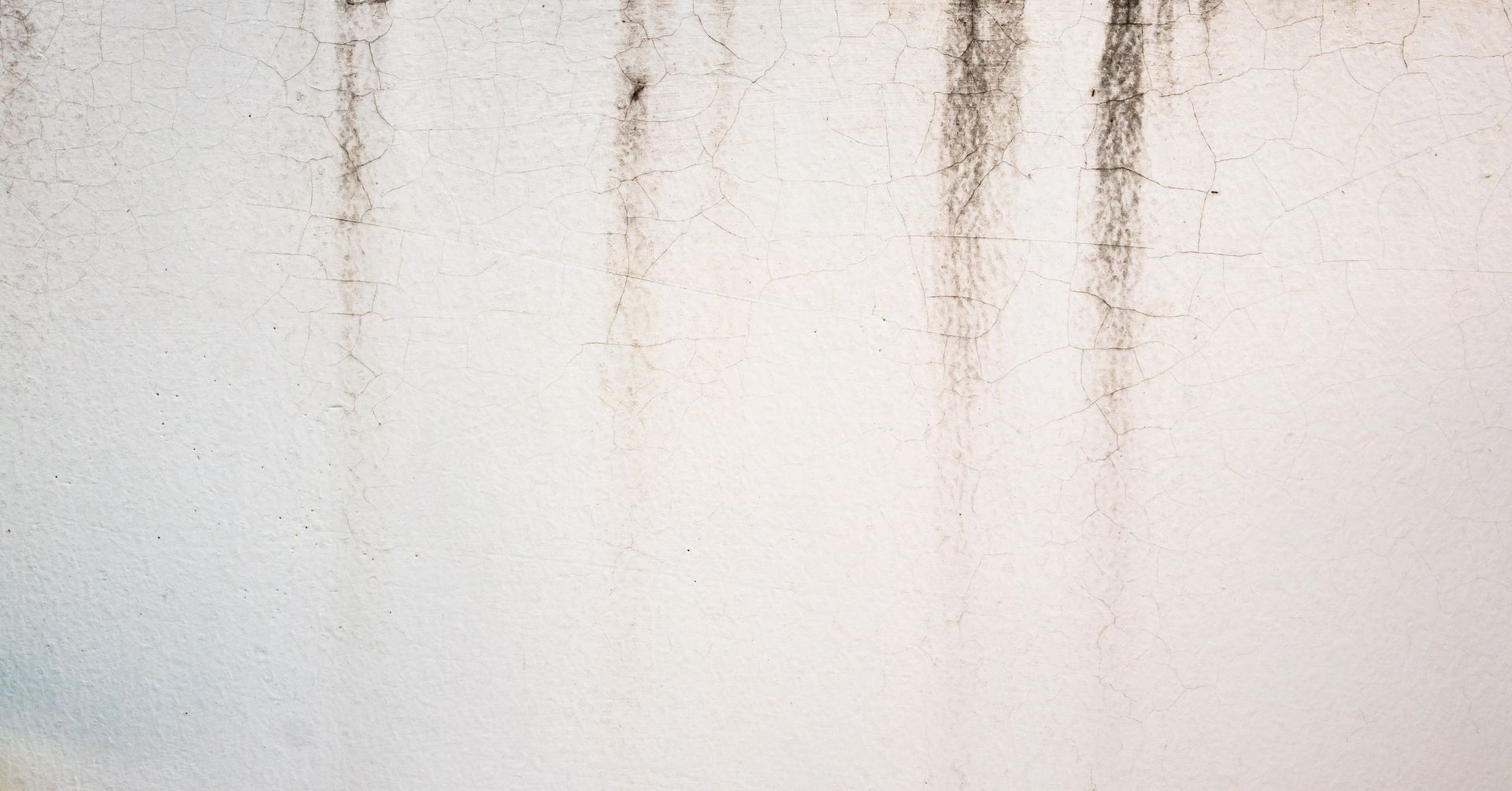
Water staining below a window on the stucco exterior of a commercial building.
By Chris White • July 14, 2026
Why do stucco repairs sometimes fail to stop leaks? See how water can enter a commercial wall and what to evaluate before approving another repair.
By Chris White • July 14, 2026
If you’re like me and not in the path of Hurricane Laura, you’ve spent a good bit of time watching Hurricane Laura news coverage. So far it looks like the surge wasn’t nearly as bad as predicted, but Hurricane Laura caused a tremendous amount of damage to Cameron and Calcasieu parishes and the surrounding areas. It’s also too soon to tell how much damage Hurricane Laura will cause as the storm moves inland and dissipates. What’s certain though, is Hurricane Laura will leave a considerable amount of water damage, resulting in water damage restoration and mold remediation. Hurricane Laura environmental cleanup is going to be a huge undertaking and will cause disturbance of asbestos, lead, PCB, and mercury. Proper removal and disposal of those materials is super important. Typically, storm coverage emphasizes water damage and mold remediation. Water damage restoration and mold remediation after Hurricane Laura will be the most obvious cleanup and restoration tasks. But everyone involved with Hurricane Laura environmental cleanup has to consider the other environmental hazards they could encounter. Hurricane Laura environmental cleanup will take time. Response work, particularly environmental cleanup, must balance speediness and caution. This is particularly important since we’ll want to get out right away and assess damage as soon as Hurricane Laura clears out. I know everyone wants to get in and get everything cleaned up and put back together. When we went through Hurricane Gustav (and other storms over the years), I was the same way. But sometimes hasty cleanup efforts can make more of a mess if we don’t slow down and assess all the potential environmental hazards in the work area. We may also put ourselves, co-workers, friends, and family at risk if we unknowingly create an environmental problem. Your safety is the most important consideration. Whether it’s water in the roadways, downed power lines, unstable structures, or contaminated water, make sure it’s safe to move around before you try to get in and assess the damage and environmental hazards. And when the storm is over, we often see hot temperatures return. Dehydration, heat exhaustion, and heat stroke are common problems people face. You’re stressed out and exhausted, and now you’re working in the heat, trying to put your home or business back together. Take care of yourself, then worry about contents – it’s worth repeating that you can always replace buildings and contents, but not people. You can replace buildings and contents, but not people. I won’t get too far into avoiding mold and mold remediation, other than to stress that you need to get the building clean and dry. Maybe Hurricane Laura is the only cause of the mold. Or maybe there’s an ongoing moisture problem that existed before the storm, and now the recovery work has led to discovery of other moisture problems. Find the cause, get the building dried out, cleaned up, and keep the mold from coming back. One other quick reminder on water damage restoration and mold remediation: there is no such thing as a Mold Free Certificate . There’s no requirement to get your home or building certified as “mold free” to make sure you can sell or rent a home or building. Anyone trying to sell you a mold free certificate is trying to scam you. Period. 
Show More