Mold Remediation Is Complete. But How Do You Know the Problem Is Solved?
The cleanup crew has packed up. The damaged materials are gone. Now everyone wants to know when the space can be used again.
If you’re responsible for the building, you need more than “the work is finished.” You need to know what was corrected, what was checked, and whether anything still needs attention.
That is where post-remediation verification (PRV) comes in. It connects the work performed with the questions you need answered before moving forward. A room can look better without the moisture problem being solved.
What Is Post-Remediation Verification for Mold?
Post-remediation verification evaluates whether the conditions observed after mold remediation meet the success criteria established for that project.
Depending on the scope, that may involve visual observations, moisture measurements, a review of project records, and targeted sampling. The point is not to collect a stack of lab results. It is to understand what those results mean for the building.
Our mold and moisture consulting considers both the affected materials and the conditions that allowed them to get wet. Cleaning one without addressing the other can leave you right back where you started.
We Wrote the Book on Mold Prevention
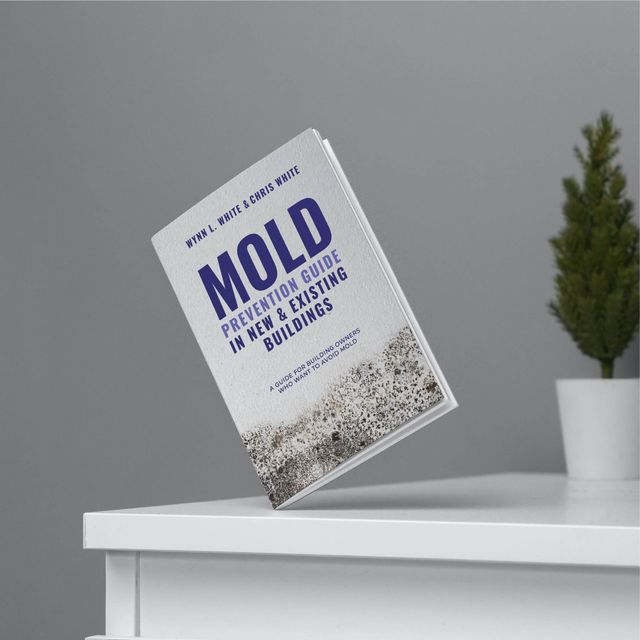
TELL ME MOREThe Mold Prevention Guide that Wynn White and I wrote explains how moisture problems develop and how building owners can recognize them earlier.
When Should You Plan for Mold Remediation Verification?
Plan for verification before remediation begins, so the owner, consultant, and contractor understand what completion will be measured against.
The end of the job is a poor time to discover that everyone had a different definition of “finished.”
A useful plan identifies the affected areas, the intended remediation, the moisture conditions that need attention, and the criteria for evaluating the result. It should also explain what happens if the findings show that more work is needed.
In my Mold 101 presentation, I discussed the owner’s project requirements, plans and specifications, and verification criteria together. They belong together. The contractor needs a defined scope, and the owner needs a way to evaluate whether the intended result was achieved.
What Should Be Checked After Mold Remediation?
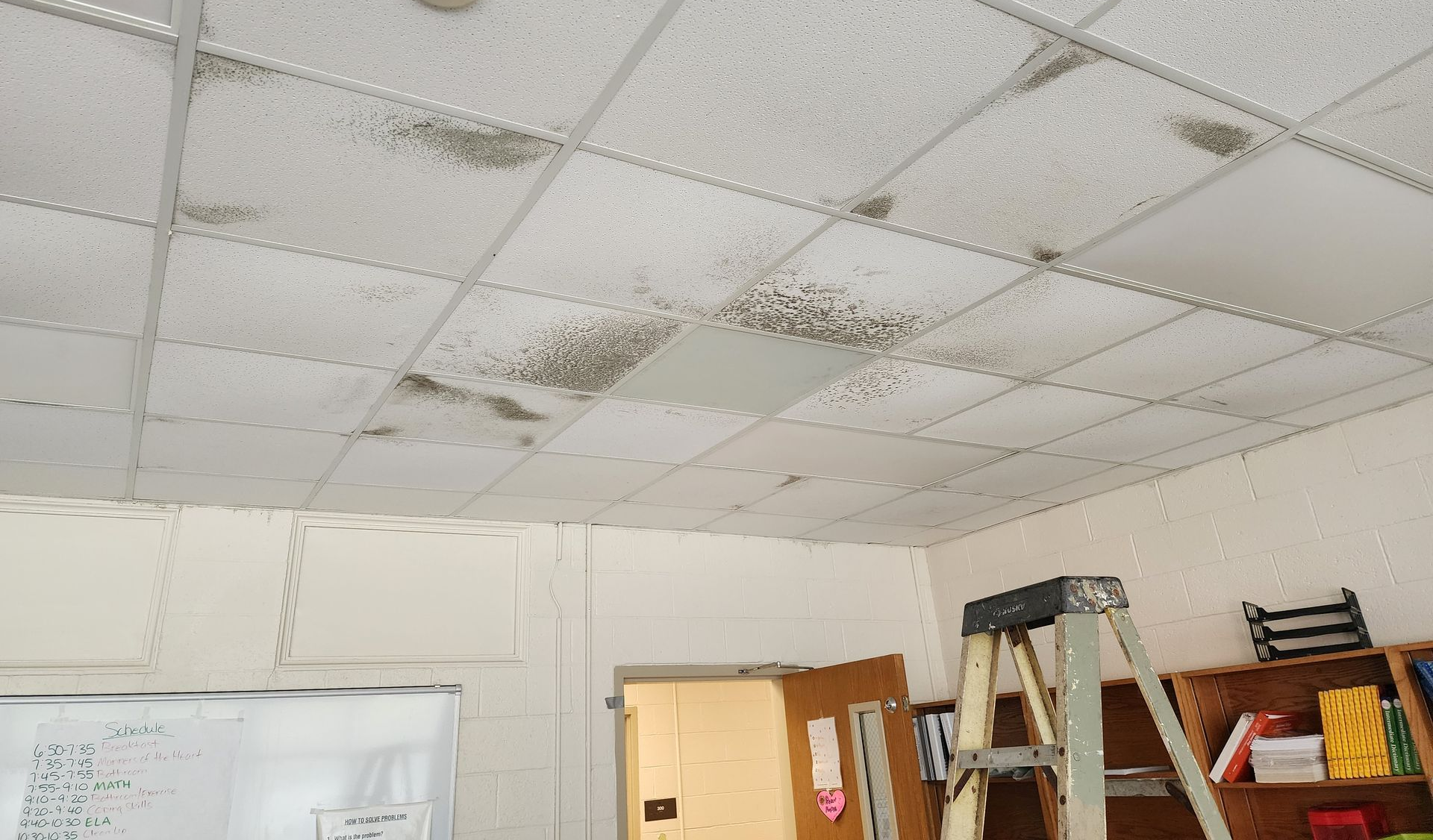
The review should consider visible conditions, cleanliness, moisture, and the completed scope of work, including documentation of repairs to the moisture source.
Useful questions include:
- Does visible mold growth or a moldy odor remain?
- Were affected materials addressed as specified?
- Do moisture measurements support the project’s drying criteria?
- What was done to correct the leak, condensation, or other moisture source?
- Which areas were evaluated, and what remains unresolved?
Louisiana buildings do not always get wet from an obvious leak. HVAC-related moisture problems can involve humidity or condensation. Negative air pressure can pull humid outdoor air toward cold surfaces inside a building.
If either contributed to the original problem, a clean wall does not tell you whether that condition has changed.
Does Mold Air Sampling Prove Remediation Worked?
Air sampling alone does not prove that the moisture source was corrected or that every part of the remediation scope was completed.
Sampling can be useful when it answers a defined question. But a laboratory does not visit the building, check the repair, or explain why a wall keeps getting wet. Those findings have to be considered together.
EPA’s mold sampling guidance notes that there are no federal limits for airborne mold or mold spores. A test result does not mean you passed a universal EPA mold standard.
That is why our indoor air quality consulting starts with what the team needs to understand, rather than assuming every question requires another sample.
Why Does Clear Documentation Matter After Mold Remediation?
Clear documentation helps the owner understand what was evaluated, what the findings support, and what decisions or follow-up work remain.
That matters when employees are waiting to return, tenants are asking questions, or a school board expects an update. “The numbers look fine” is not much of an explanation.
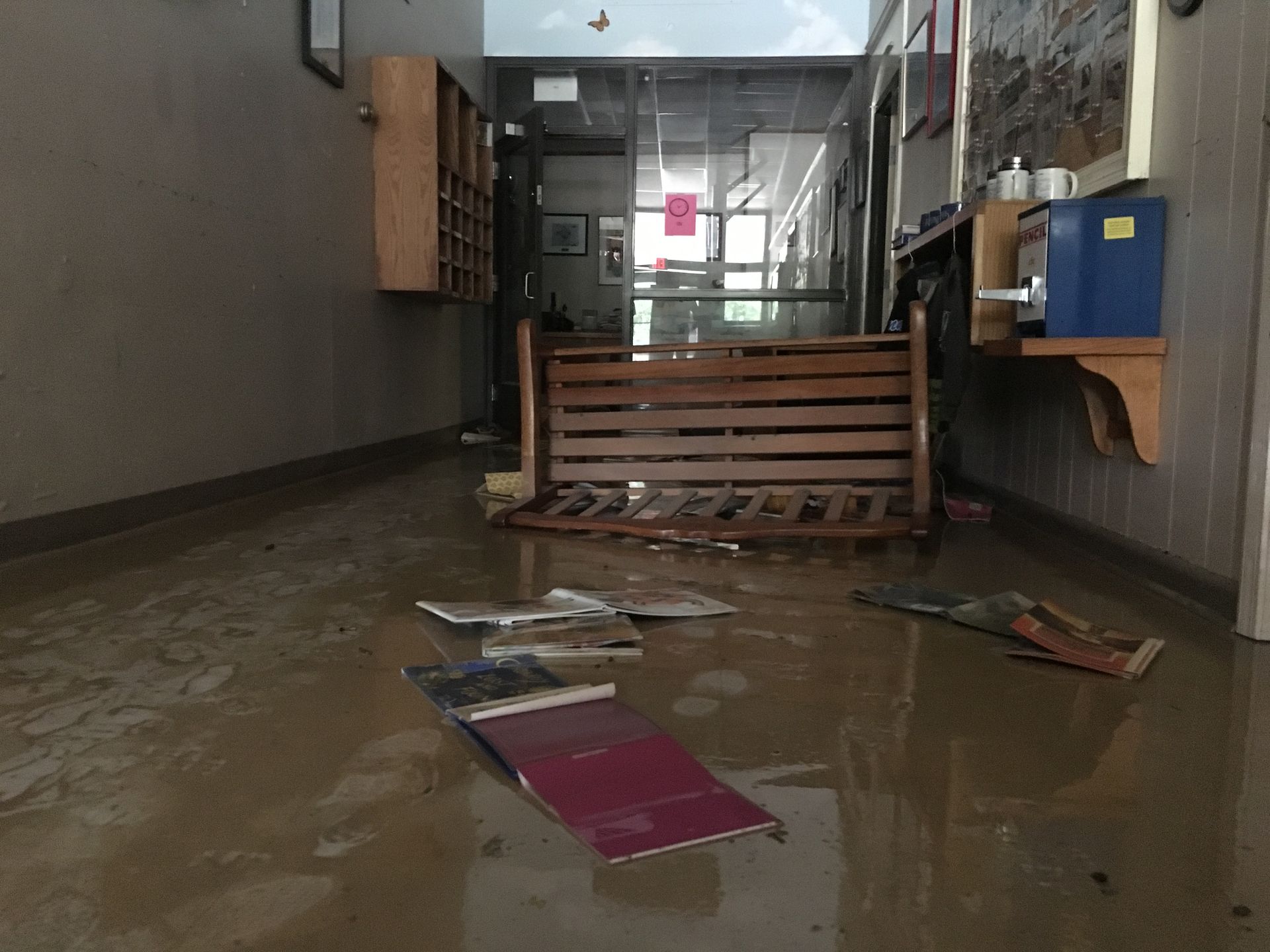
After the 2016 Louisiana flood, our work with Ascension Parish Schools included remediation design, site observations, and mold post-remediation verification. The district was repairing multiple campuses while continuing to educate students.
Former Superintendent David Alexander described the relationship this way: “What was important to us was important to them.”
For school facility teams , technical findings must connect to practical decisions. Which areas were evaluated? What did the review find? What still needs to happen? The report should help answer those questions, not create another round of guesswork.
What Happens If Mold Remediation Does Not Meet the PRV Criteria?
The remaining issue should be documented, addressed by the responsible project team, and reevaluated as appropriate before that part of the work is accepted as complete.
The response should match the finding. Residual dust may call for additional cleaning. Wet materials may need further drying or investigation. Recurring moisture may mean the repair did not address the cause.
Repeating the same air test will not fix a leak. First, understand what the finding is telling you, then decide what work or additional evaluation is needed.
Can Mold Return After Successful Remediation?
Yes. Mold can return if moisture problems persist or new leaks, equipment failures, or operating changes create conditions for growth.
Verification describes the areas and conditions evaluated at that time. It is not a lifetime warranty on the building. EPA’s remediation guidance emphasizes correcting moisture problems and checking for their return.
The facility team should know what was repaired, what to watch, and when to investigate a change. Keep those records available after the project files are put away.
“Do it right, do it once” is a useful way to approach the work. It means planning the remediation, addressing the cause, and checking the result. It does not mean a building will never need attention again.
If you are planning remediation or trying to understand whether completed work meets the project criteria, talk with Wynn L. White Consulting Engineers . You should be able to explain why the work is considered complete, not just point to the date the crew left.